
DĚLAT: The Czech Verb That Does Everything
The Czech verb dělat is one of the most common verbs you’ll hear every day. Learn how it works, when to use it, and how it replaces both “do” and “make” in real Czech conversations.

The 10 Czech Verbs You Can’t Survive Without
Learn the 10 most used Czech verbs that appear in almost every conversation. Master these basics and start speaking Czech more naturally right away.
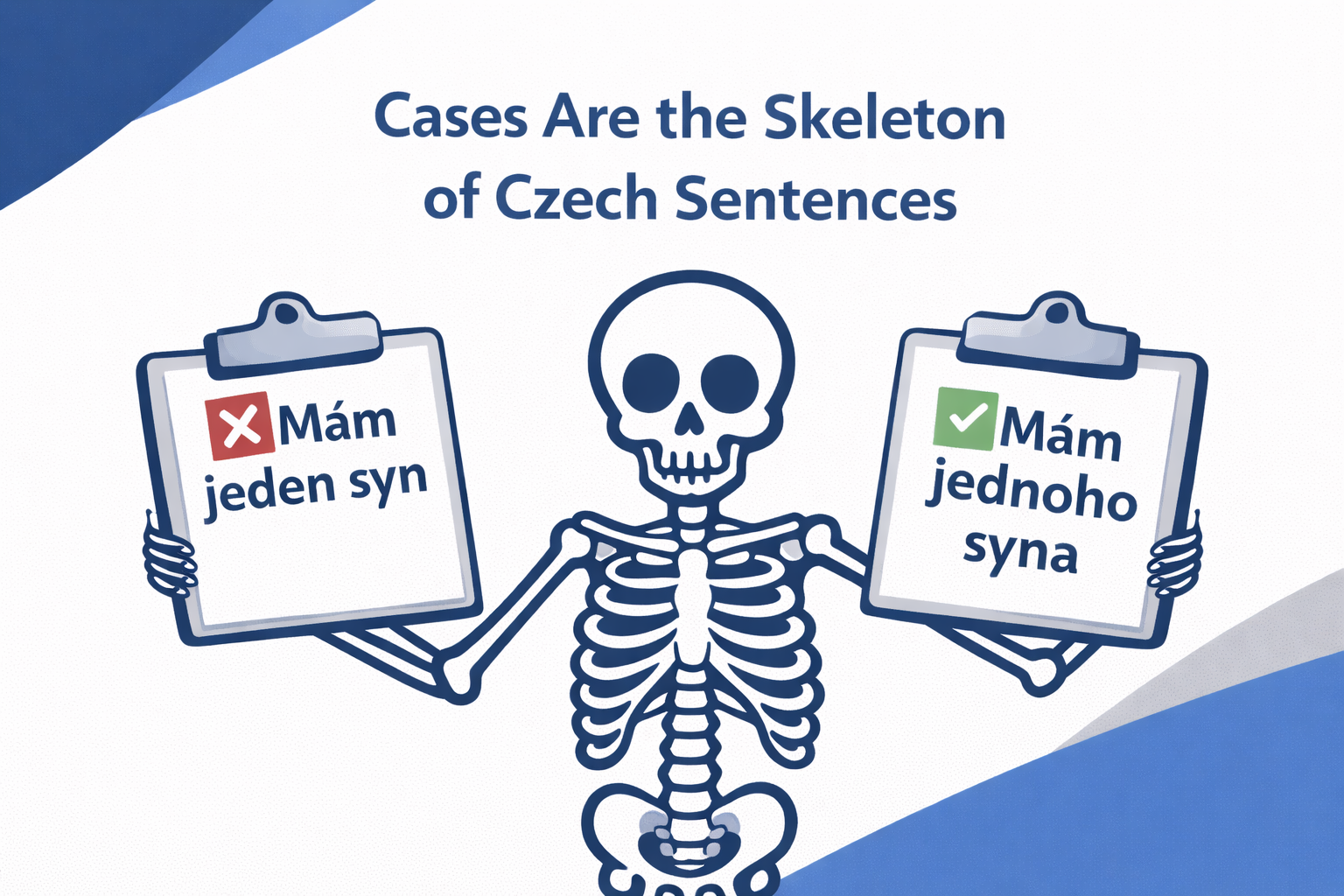
Czech Cases: The Thing You Tried to Ignore (But They Didn’t Ignore You)
Czech cases aren’t optional and ignoring them breaks your sentences. Learn why endings matter and how one small change can completely transform your Czech.
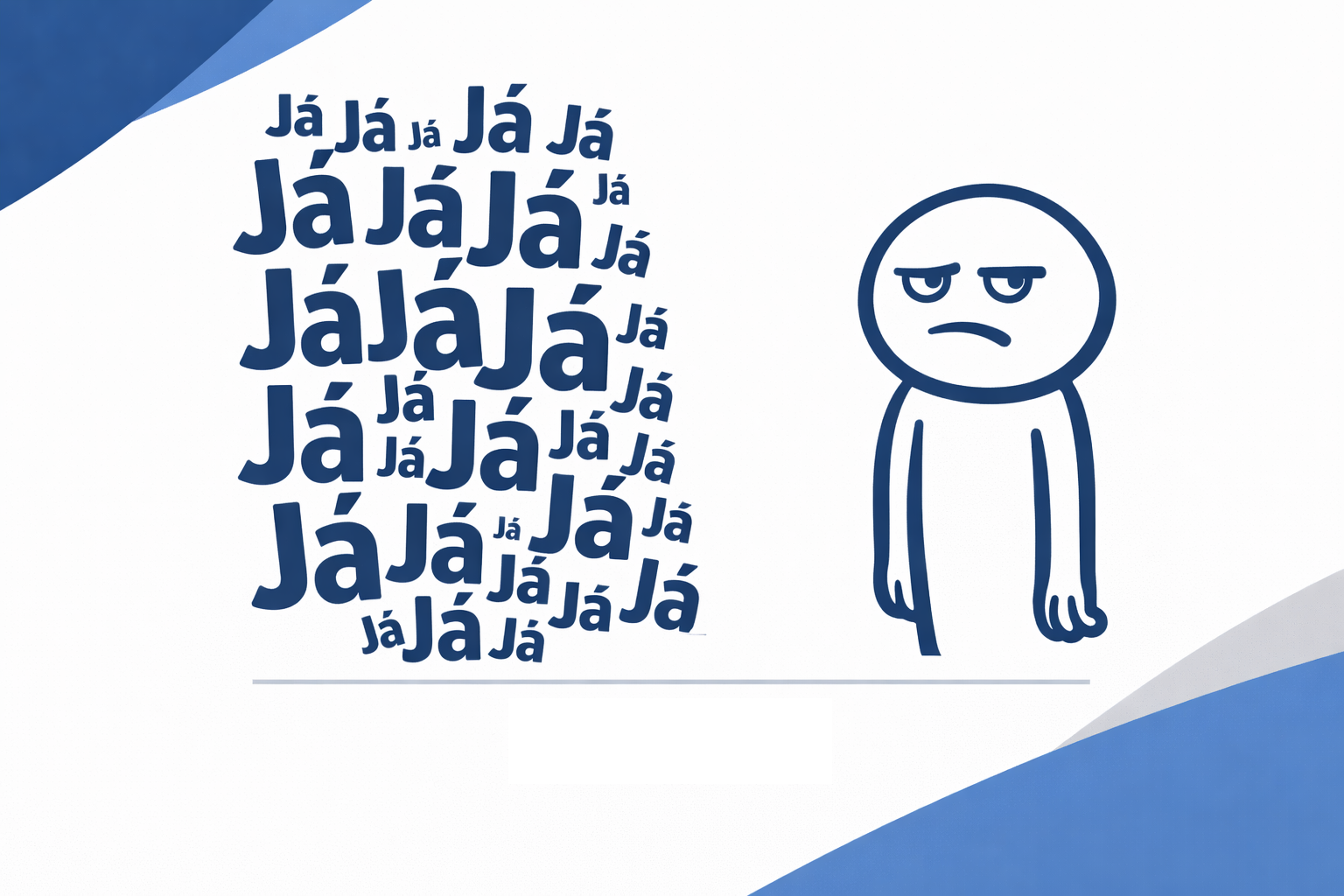
Stop Saying “Já” All the Time: Why Czech Isn’t About You
Why saying já in every Czech sentence makes you sound unnatural and how dropping pronouns instantly makes your Czech smoother, cleaner, and more native-like.
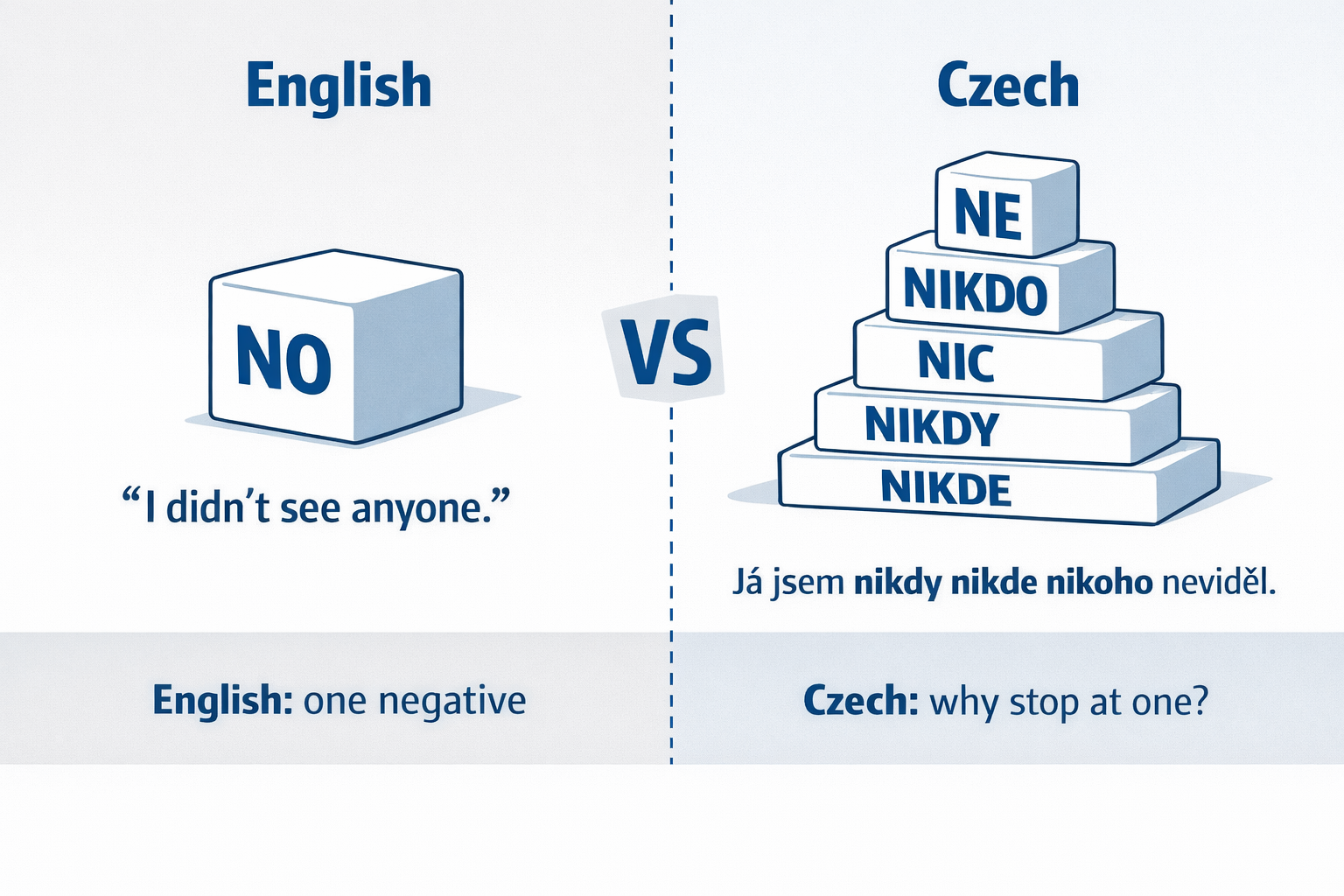
Czech Negation: Why One “No” Is Never Enough
Czech negation breaks one of the biggest rules of English grammar. While English allows only one negative in a sentence, Czech happily stacks them together. In this guide, you’ll learn how Czech negation works, why learners often get it wrong, and how sentences like Já jsem nikdy nikde nikoho neviděl can be perfectly correct.
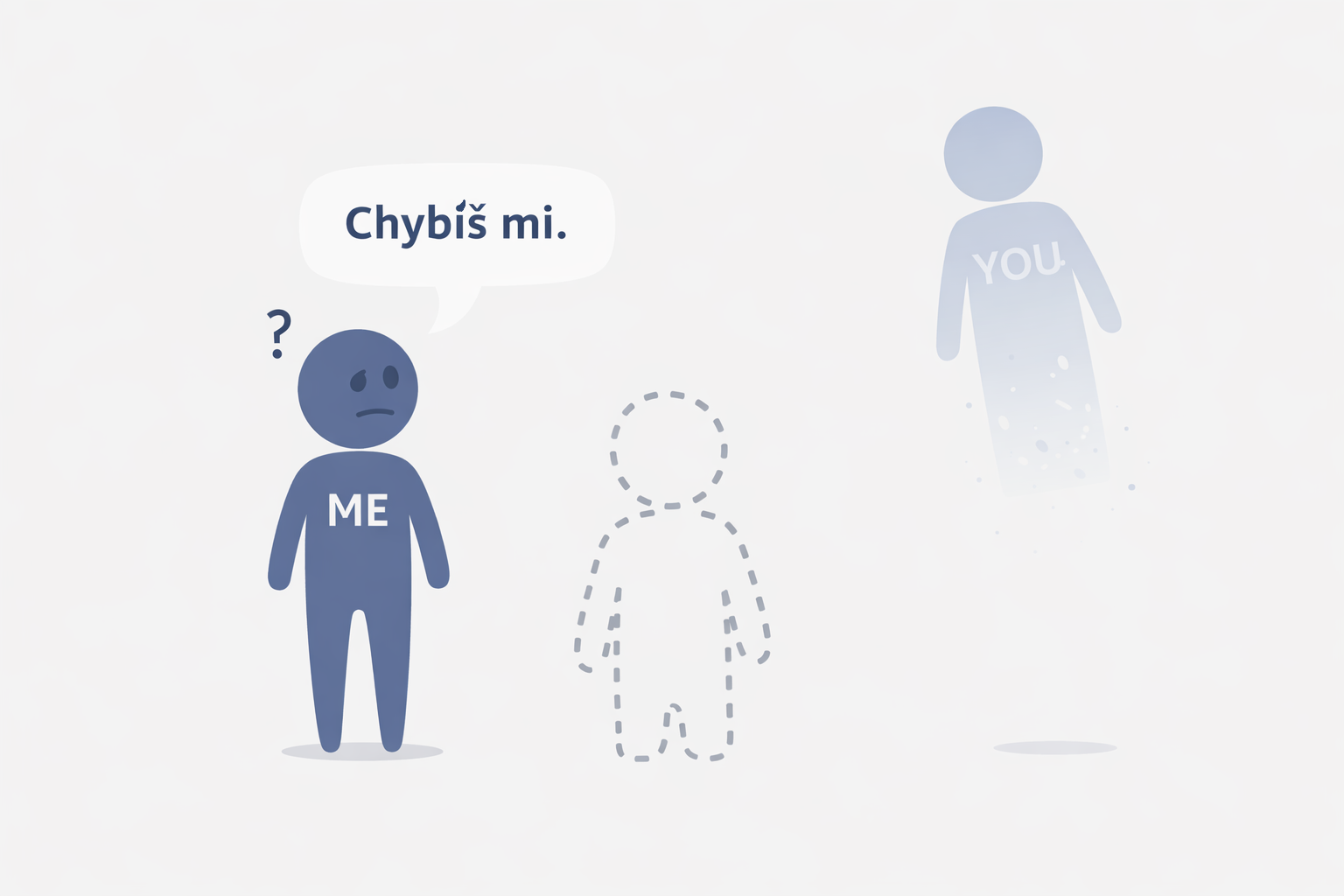
Why Czech Says Chybíš mi Instead of “I Miss You”
Why does Czech say Chybíš mi instead of “I miss you”? Because in Czech, you don’t miss people — people are missing to you. In this guide, you’ll discover the surprising grammar behind this expression, learn how the verb chybět works, and see plenty of real-life examples that reveal how Czech flips the logic of emotions.

Why Czech Word Order Feels Like Jazz (and English Like IKEA)
English sentences march in order. Czech sentences dance.
Discover why English builds structure while Czech builds rhythm and how word order in Czech changes not grammar, but emotion and emphasis.