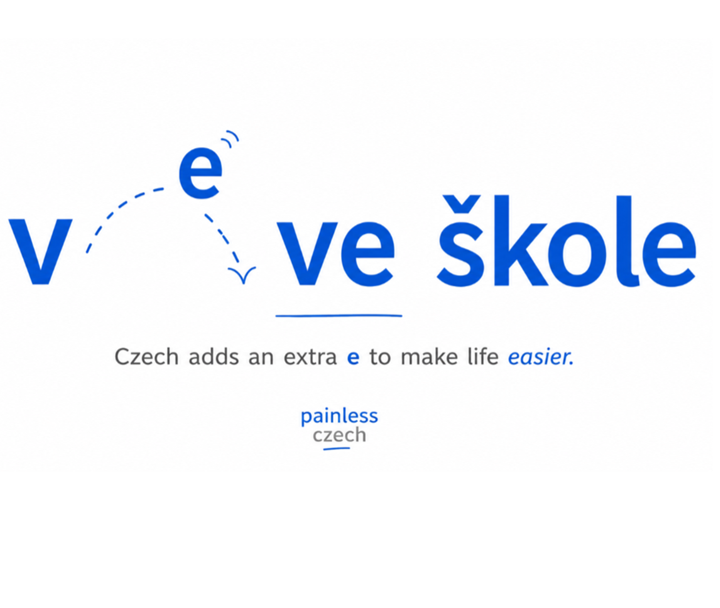
Why Do Czech Prepositions Suddenly Grow an Extra Letter?
Why does Czech sometimes say ke škole, ve škole, se mnou, or ze školy instead of k, v, s, and z? Discover the surprisingly simple reason behind these mysterious extra letters, learn the patterns with plenty of real-life examples, and start sounding much more natural in Czech.
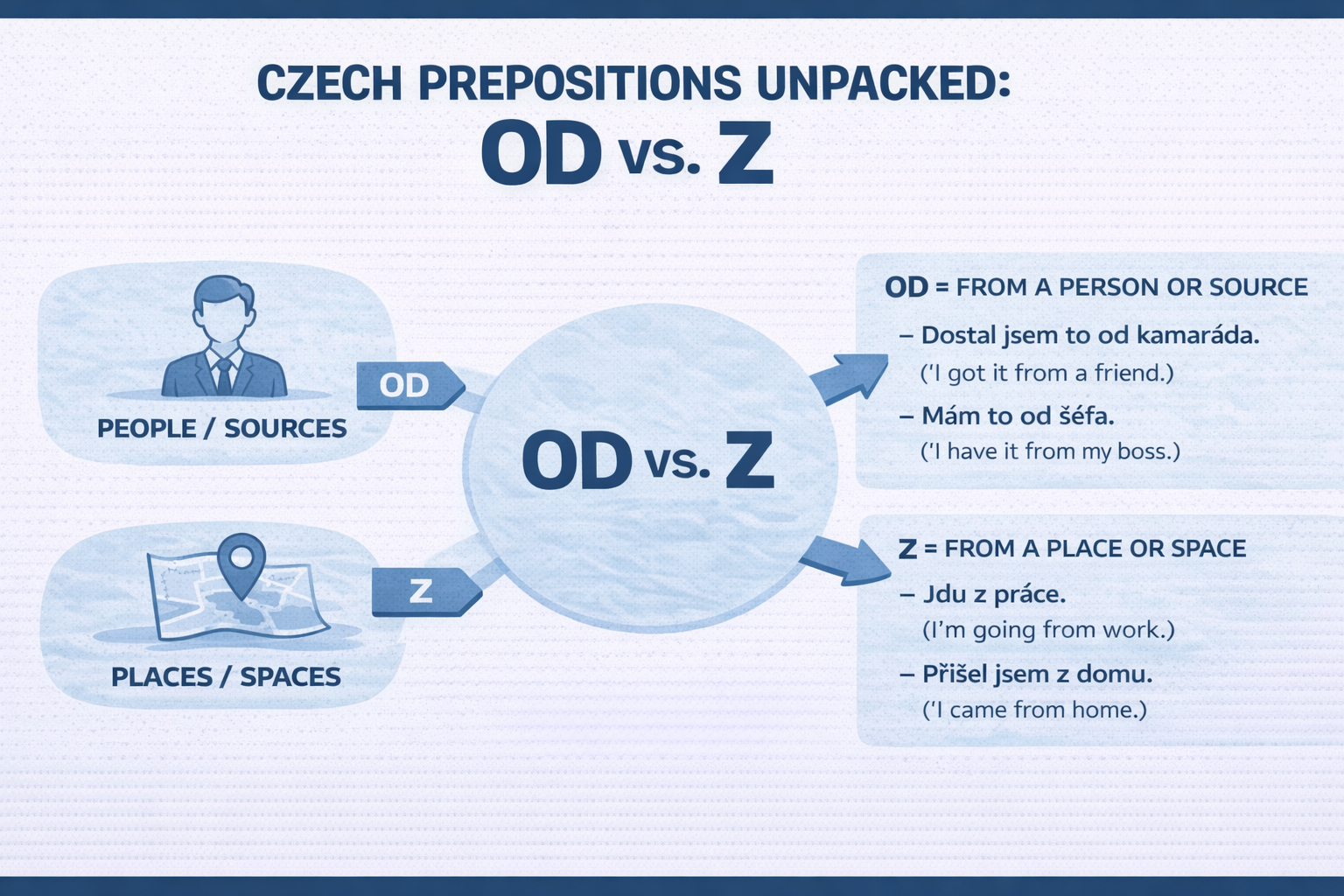
Czech Prepositions Unpacked: OD vs. Z
Both od and z mean “from” in Czech but use the wrong one, and your sentence can sound anywhere from slightly off to deeply disturbing. This guide shows you the real difference (person vs. place), the most common mistakes, and the patterns you actually need to remember to get it right every time.
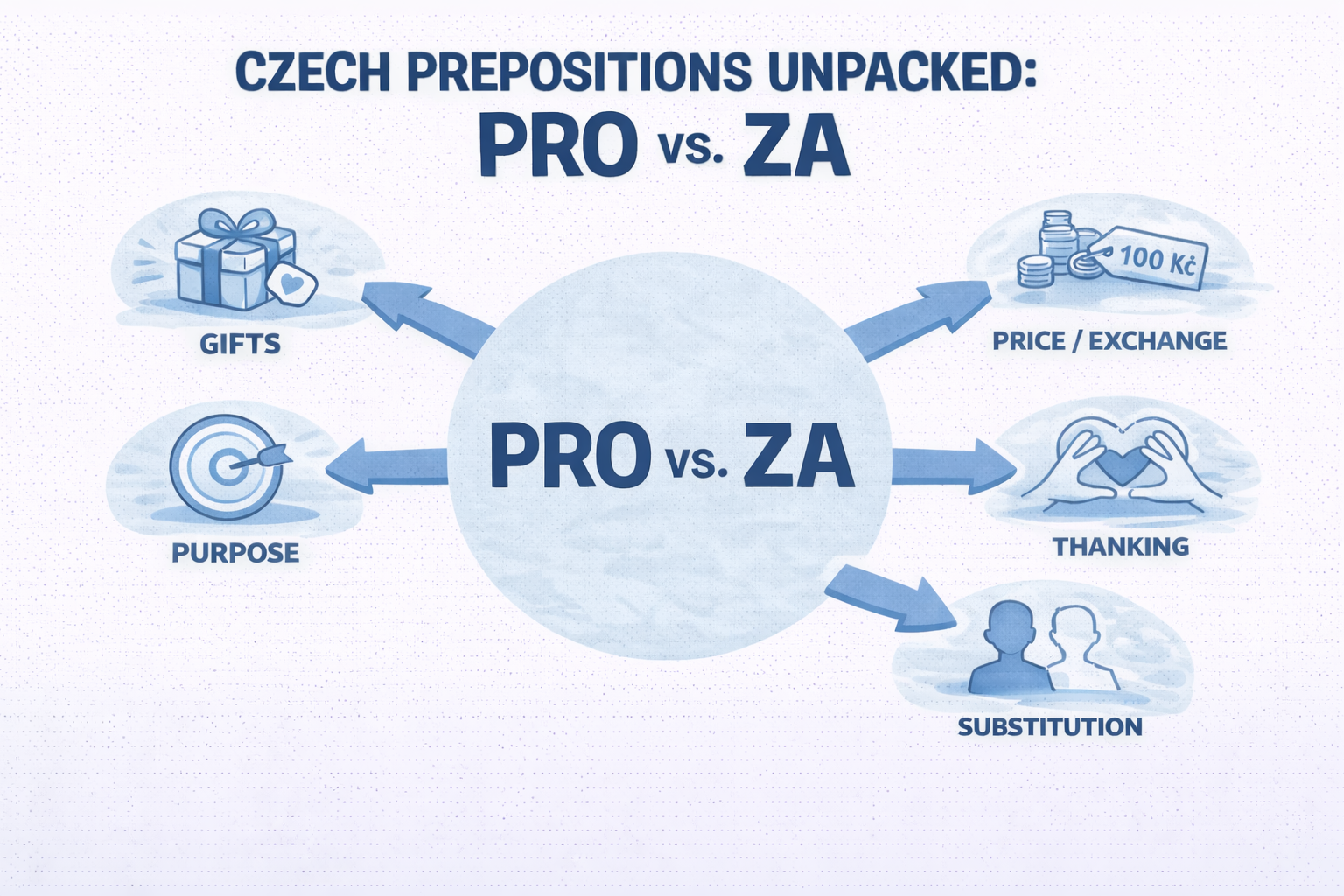
Czech Prepositions Unpacked: PRO vs. ZA
Two tiny Czech prepositions, one massive problem. Both pro and za translate as “for” in English but use the wrong one, and suddenly your innocent sentence sounds very weird. This guide breaks it down with clear rules, real-life examples, and just enough humor to make sure you never say děkuji pro pomoc again.
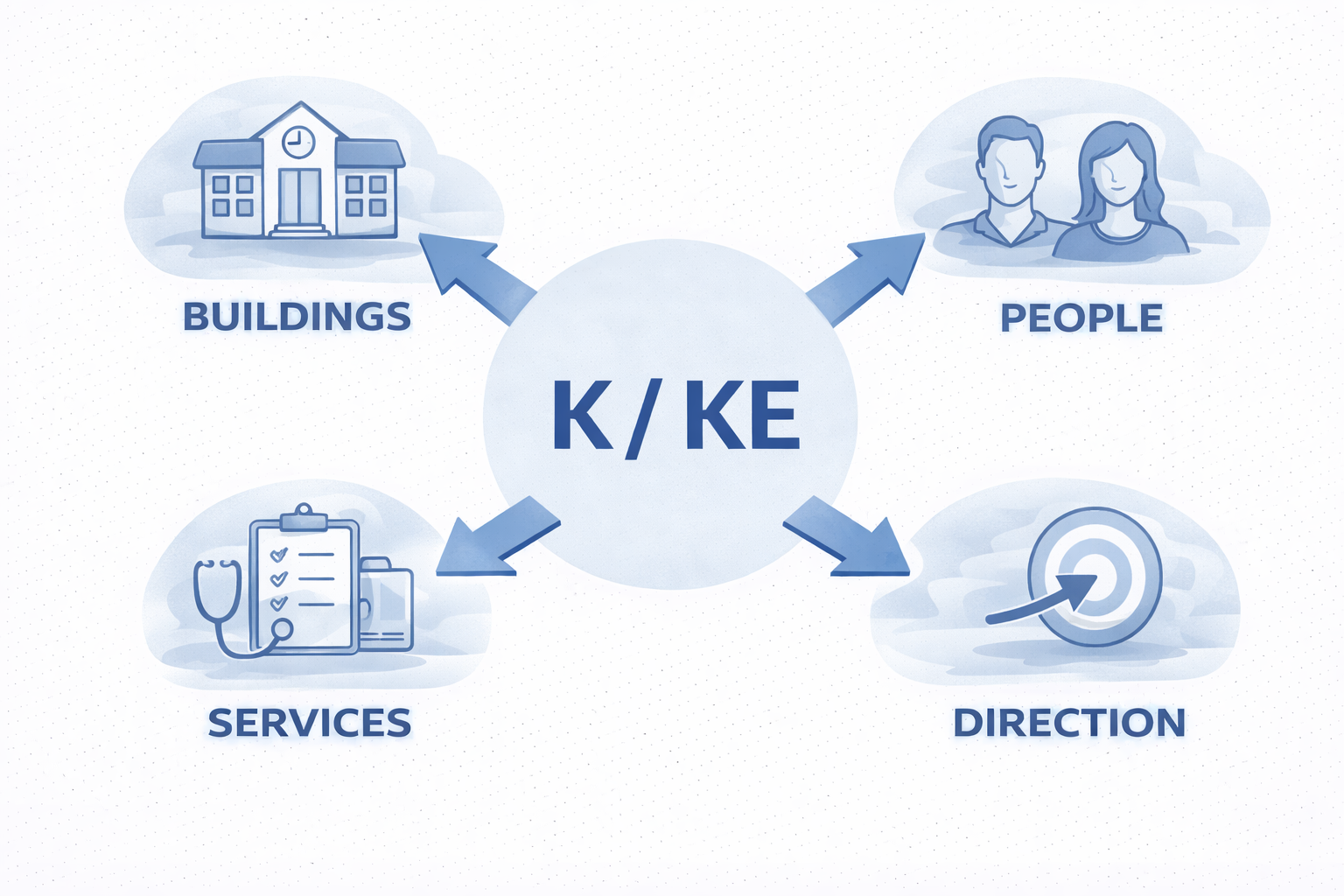
Czech Prepositions Unpacked: K / KE
The Czech preposition k / ke expresses movement towards a place or person without entering. This article explains how k works with the dative case, when to use ke for pronunciation, and how to avoid common mistakes when choosing between k, do, and na.
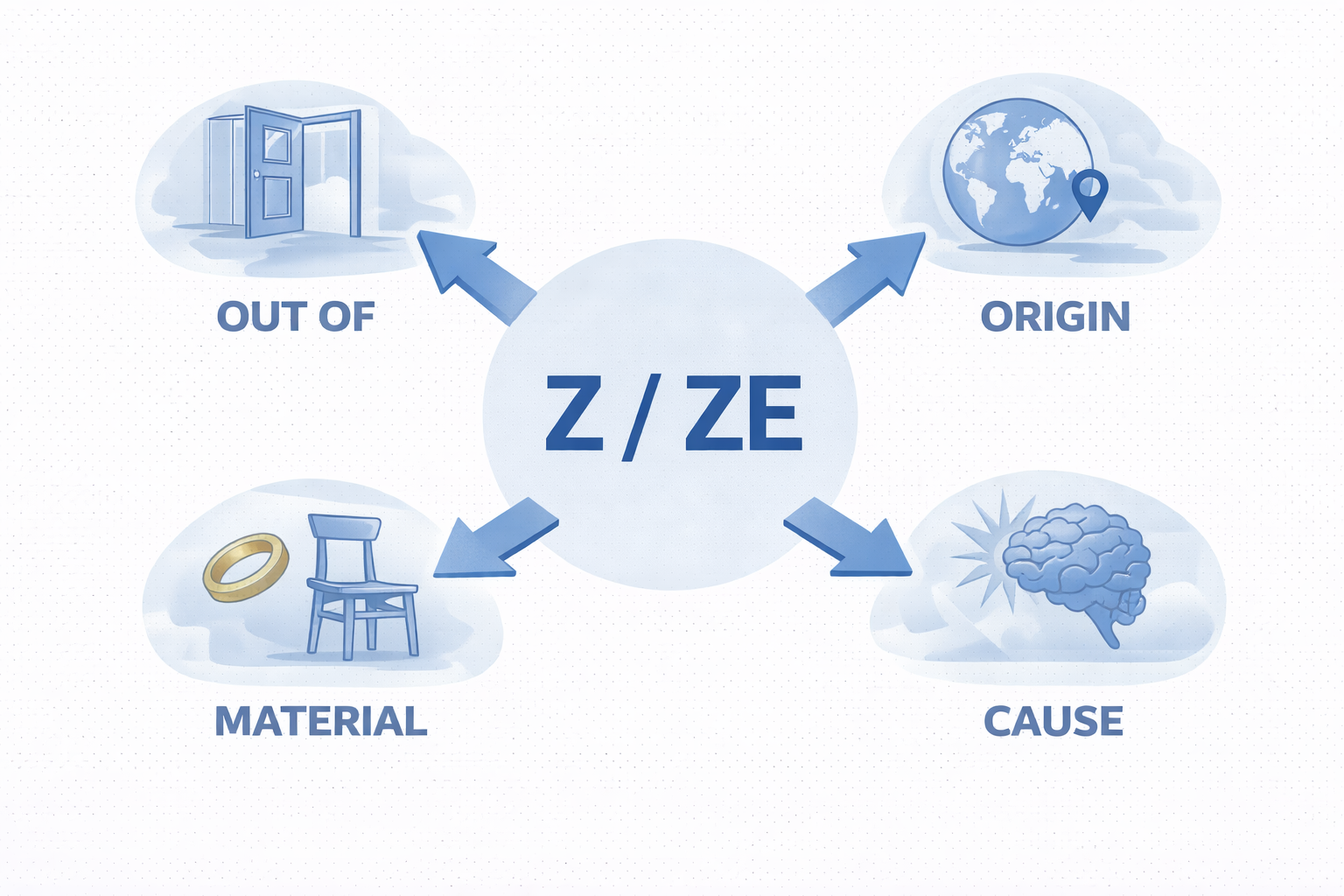
Czech Prepositions Unpacked: Z / ZE
The Czech preposition z / ze expresses origin, source, and movement out of a place. This article explains when to use z, when pronunciation requires ze, how both work with the genitive case, and how to avoid common learner mistakes with clear rules and practical examples.
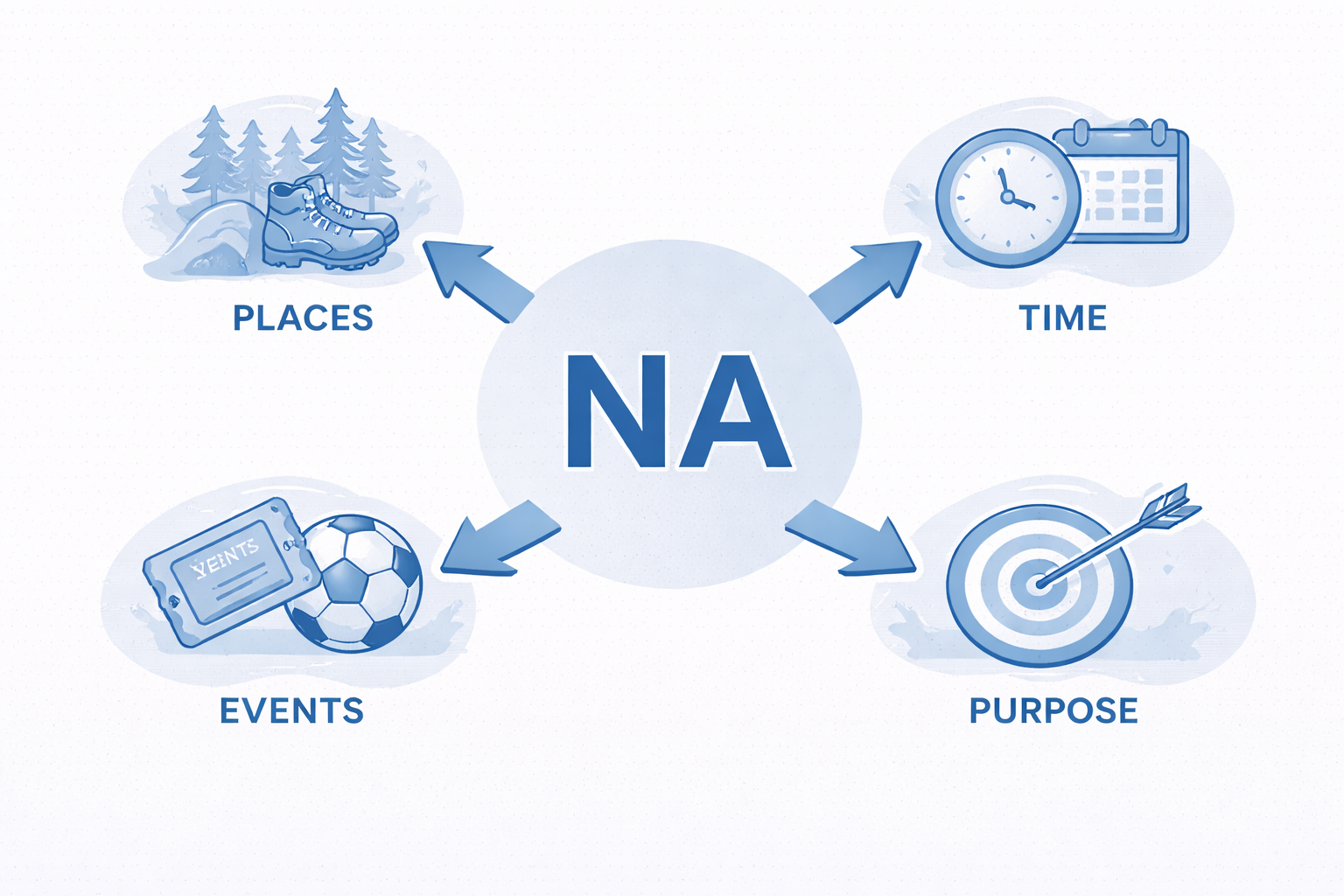
Czech Prepositions Unpacked: NA
The Czech preposition na goes far beyond meaning “on.” This article explains when and why Czech uses na, how it works with cases, and how to recognize patterns behind places, movement, time, purpose, and abstract meanings with clear examples and English translations.

Every Preposition Owns a Case (Because Czech Prepositions Are Tiny Dictators with Serious Control Issues)
Czech prepositions may look small, but they rule the grammar kingdom with an iron fist. Learn why every preposition “owns” a case, how to finally understand their logic, and when to use do, na, v, za, and friends all with humor, new examples, and Czech reality checks.