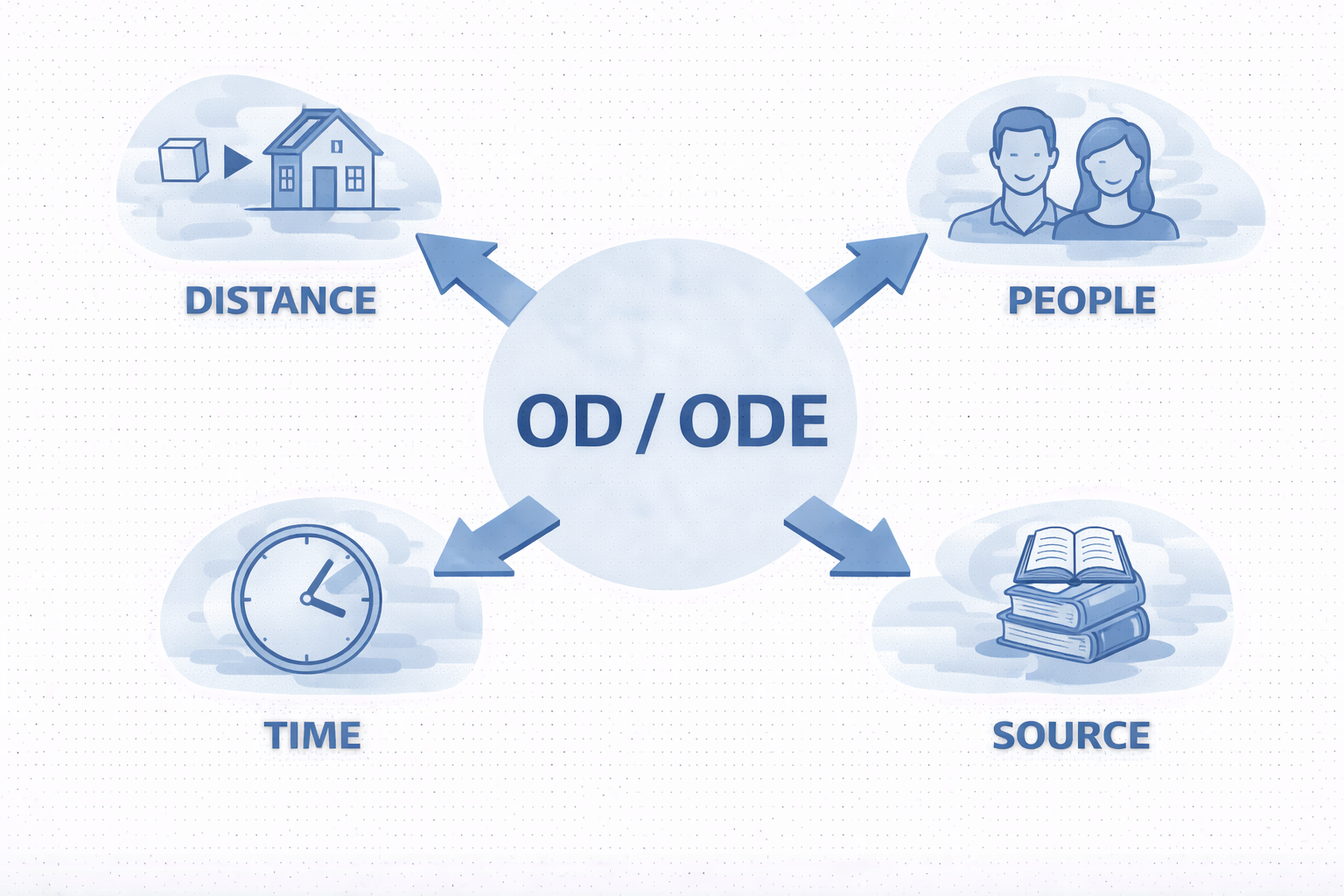
Czech Prepositions Unpacked: OD / ODE
The Czech preposition od / ode expresses starting points, distance, and origin especially when referring to people or time. This article explains how od differs from z, when to use ode for pronunciation, and how to use the genitive correctly with clear examples.
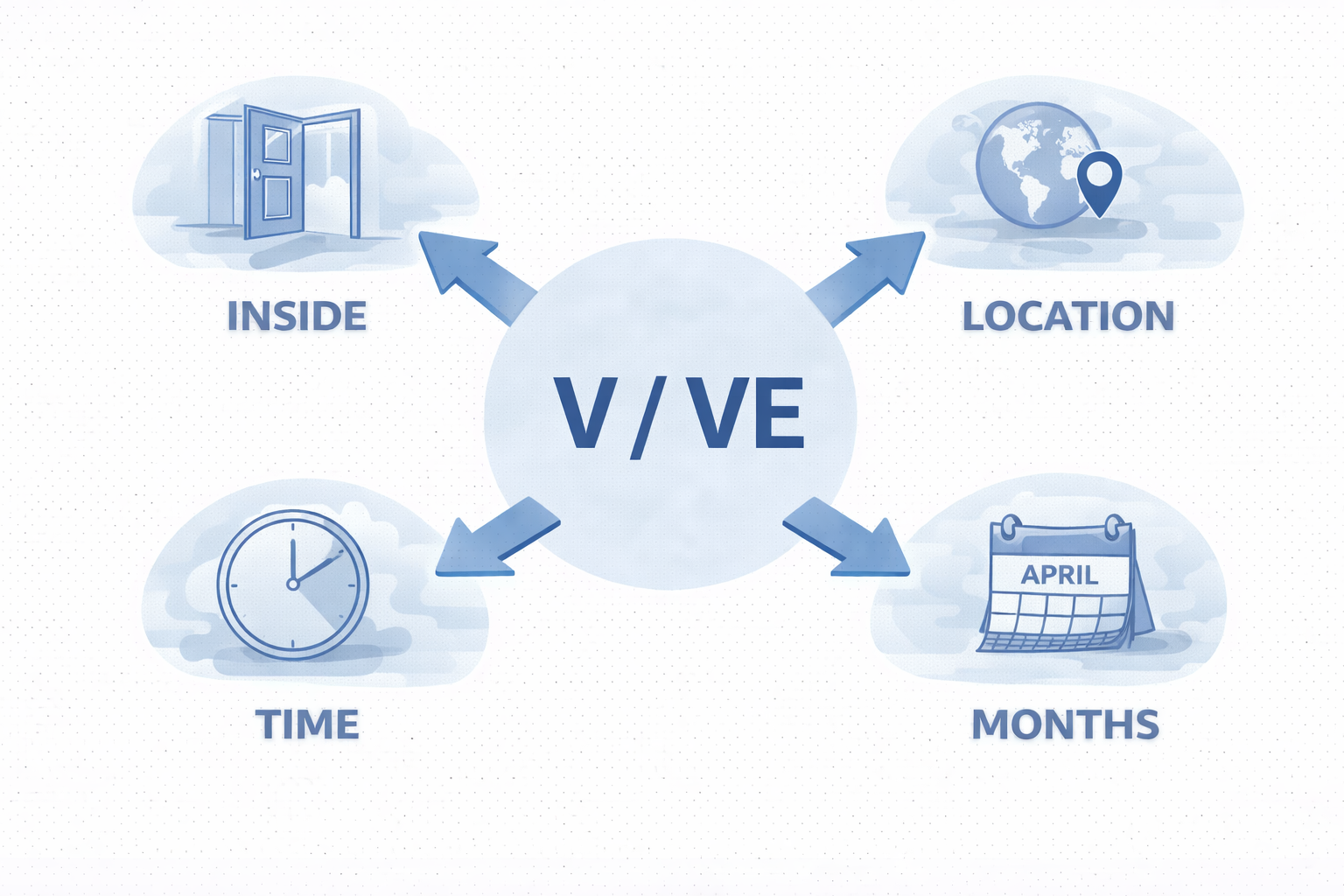
Czech Prepositions Unpacked: V / VE
The Czech preposition v / ve expresses being inside a place or within a defined space without movement. This article explains how v works with the locative case, when to use ve for pronunciation, and how to clearly distinguish v from do and na.
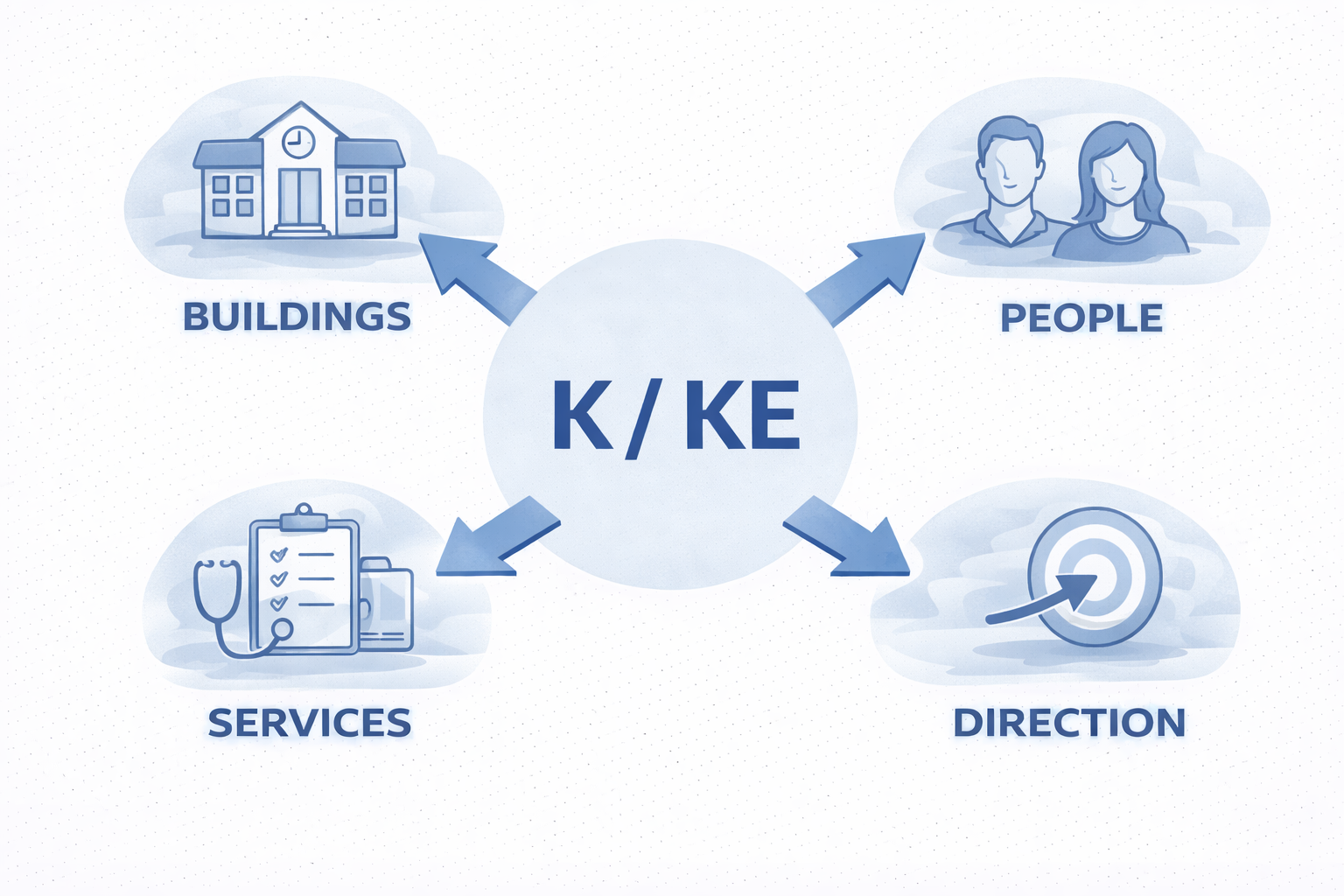
Czech Prepositions Unpacked: K / KE
The Czech preposition k / ke expresses movement towards a place or person without entering. This article explains how k works with the dative case, when to use ke for pronunciation, and how to avoid common mistakes when choosing between k, do, and na.
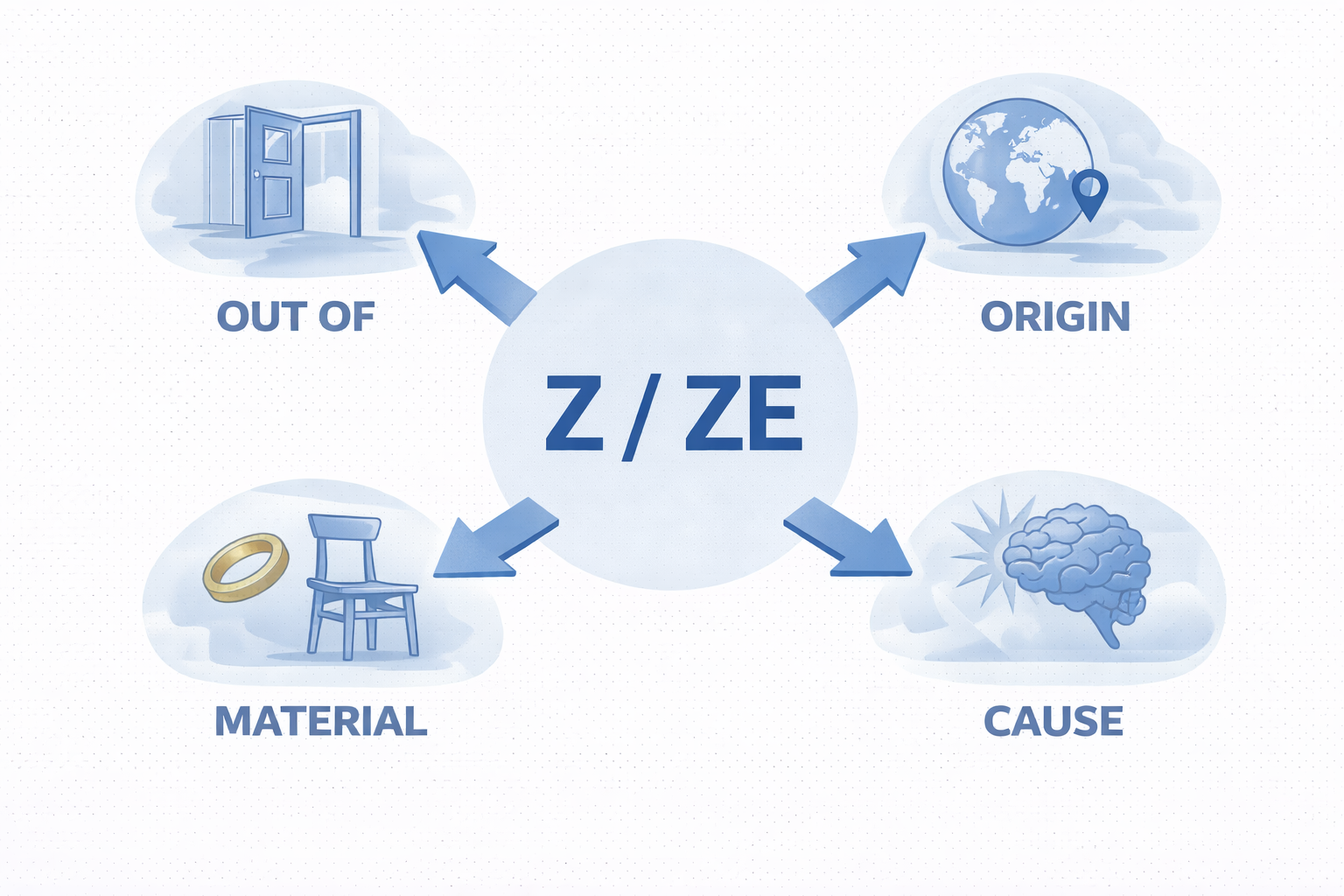
Czech Prepositions Unpacked: Z / ZE
The Czech preposition z / ze expresses origin, source, and movement out of a place. This article explains when to use z, when pronunciation requires ze, how both work with the genitive case, and how to avoid common learner mistakes with clear rules and practical examples.
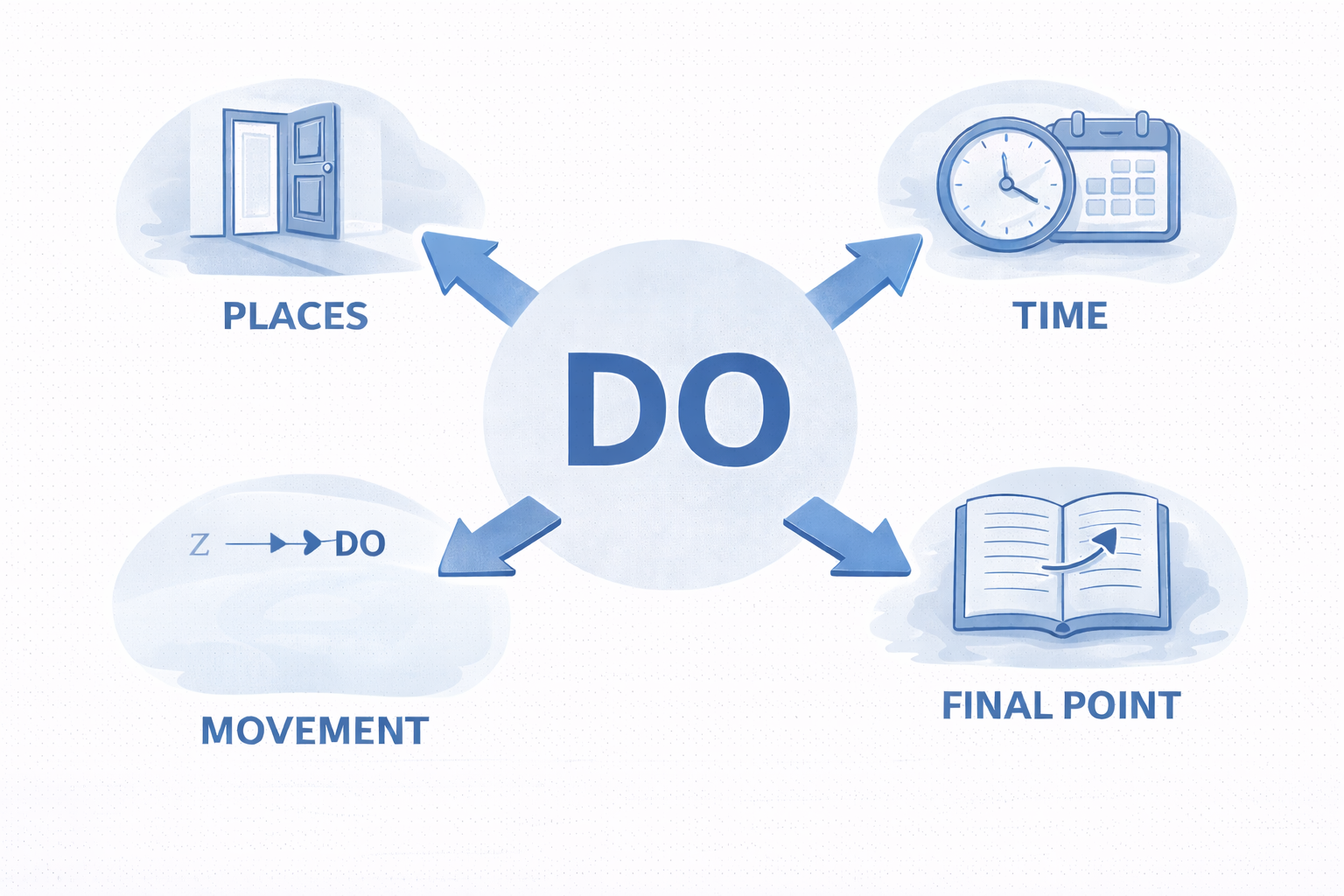
Czech Prepositions Unpacked: DO
The Czech preposition do is all about movement inside and clear endpoints. This article explains how do works with the genitive, when to use it for places and time, and how to avoid the most common mistakes with na with clear rules and practical examples.
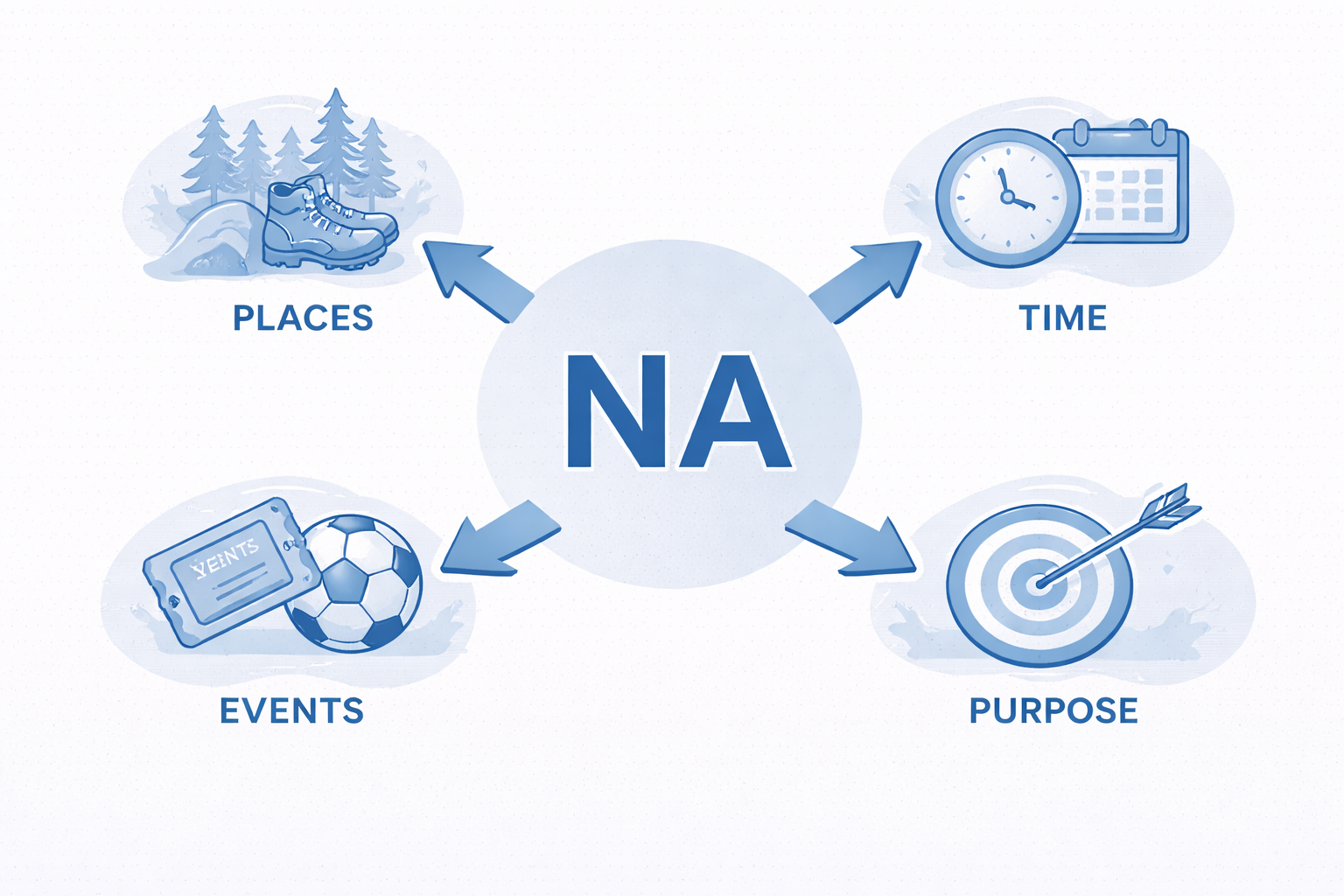
Czech Prepositions Unpacked: NA
The Czech preposition na goes far beyond meaning “on.” This article explains when and why Czech uses na, how it works with cases, and how to recognize patterns behind places, movement, time, purpose, and abstract meanings with clear examples and English translations.
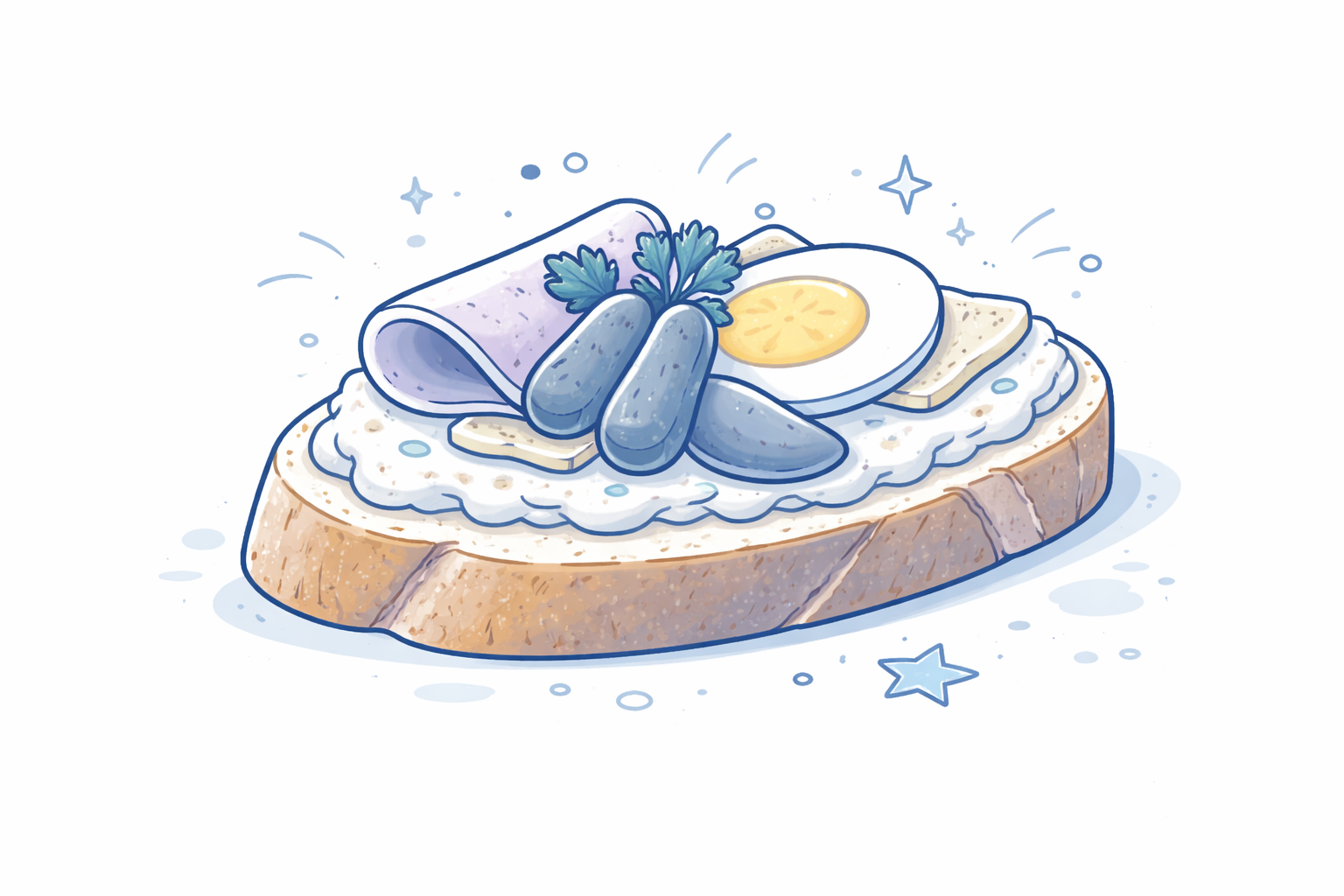
Chlebíčky: The Czech Party “Sandwich” That’s Basically a Law on New Year’s Eve
Chlebíčky are the Czech open-faced sandwiches that appear at every party and especially on Silvestr. Learn what they are, when Czechs eat them, how to order them, what vocabulary you need, and how to make them at home

Cukroví: Why Czech Families Bake 12 Types of Christmas Cookies “Just to Keep It Simple”
Discover why Czech families bake a shocking number of Christmas cookies — usually twelve kinds, “just to keep it simple.” A funny deep dive into the sugar-powered madness called cukroví.
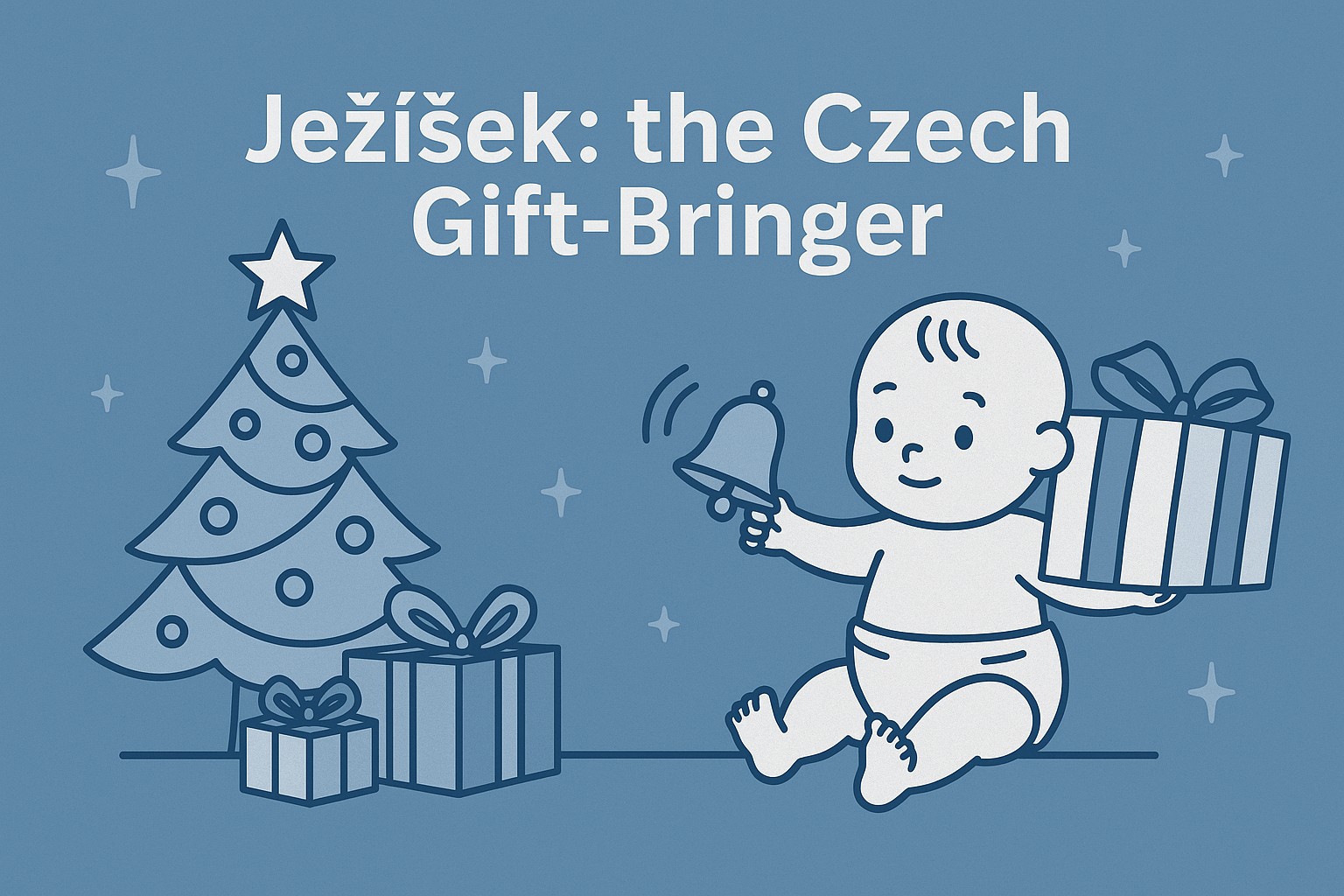
Czech “Strange” Traditions: The Mysterious Baby Who Brings Christmas Presents
Meet Ježíšek, the invisible baby who somehow delivers all Christmas presents with no sleigh, no reindeer, and no explanation. A funny guide to the most mysteriously adorable holiday tradition in Czechia.

Czech “Strange” Traditions: The Annual Carp Situation
Discover the quirky Czech Christmas tradition of keeping a live carp in the bathtub before cooking it for Štědrý večer.

Czech Connectors That Will Make You Sound Instantly Local
Tired of sounding like you’re sending Czech by Morse code? Learn the 5 connectors Czechs can’t live without and watch your Czech transform from robotic to effortlessly local.

Adjective or Adverb? The Czech Grammar Twins Explained
Do you ever mix up dobrý and dobře? You’re not alone! Czech adjectives and adverbs look like grammar twins — but once you know their tricks, they’re easy to tell apart. Learn the difference, see real Czech examples, and sound instantly more fluent.

Czech Past Tense Secrets: Why We Write -l, -la, -li, -ly (and What It Tells You About Who Did It)
Why do Czechs write pracovali, pracovaly, or even pracovala? Welcome to the wonderful chaos of Czech past participles where endings reveal who did what, and even how many puppies were involved. Learn how -l, -la, -lo, -li, -ly, -la endings secretly tell a whole story and how to finally master them (without crying over grammar tables).

How to Survive (and Actually Pronounce) the Czech Ř
Think Ř is impossible? Even Czech kids need years of speech therapy to get it right including me! In this fun, honest guide, learn how to finally pronounce the Czech Ř without losing your mind (or your tongue).

“Ty vole!” — The Czech Phrase That’ll Make You Sound Instantly Local
Think Czech is all about grammar and cases? Think again, vole! This word is the ultimate Czech friendship tool: part insult, part affection, part verbal glue. Learn how to use it like a local (and when not to shout it at your boss).

Czech Stoicism: Why Czechs Don’t Smile (and Why You’ll Love Them Anyway)
Why do Czechs look so serious all the time? Don’t worry. They’re not mad at you. It’s just Czech stoicism: the art of being calmly realistic, quietly sarcastic, and deeply genuine. Learn why Czechs don’t do small talk, why their friendships last forever, and how to smile less but mean it more.

How Many Rohlíky Make You Czech?
Ever seen a Czech walking down the street with a plastic bag full of bread rolls? It’s not a joke. It’s daily reality. The legendary rohlík is the quiet hero of Czech life: eaten at breakfast, lunch, dinner, and possibly at 2 AM after a few beers. Let’s talk about why Czechs can’t live without it.

How Much Czech Do You Really Need to Work or Study in the Czech Republic?
Dreaming of studying or working in Czechia? Here’s your friendly (and funny) guide to what Czech level you actually need from “ordering coffee” A2 to “correcting your classmates’ essays” C1.

Every Preposition Owns a Case (Because Czech Prepositions Are Tiny Dictators with Serious Control Issues)
Czech prepositions may look small, but they rule the grammar kingdom with an iron fist. Learn why every preposition “owns” a case, how to finally understand their logic, and when to use do, na, v, za, and friends all with humor, new examples, and Czech reality checks.

What You Can (and Absolutely Shouldn’t) Talk About at a Czech Family Dinner
You’ve survived the řízek and the koláč but now comes the real challenge: Czech small talk. Learn which dinner topics are safe, which ones to avoid, and how to win your Czech family’s heart with humor (and good manners).