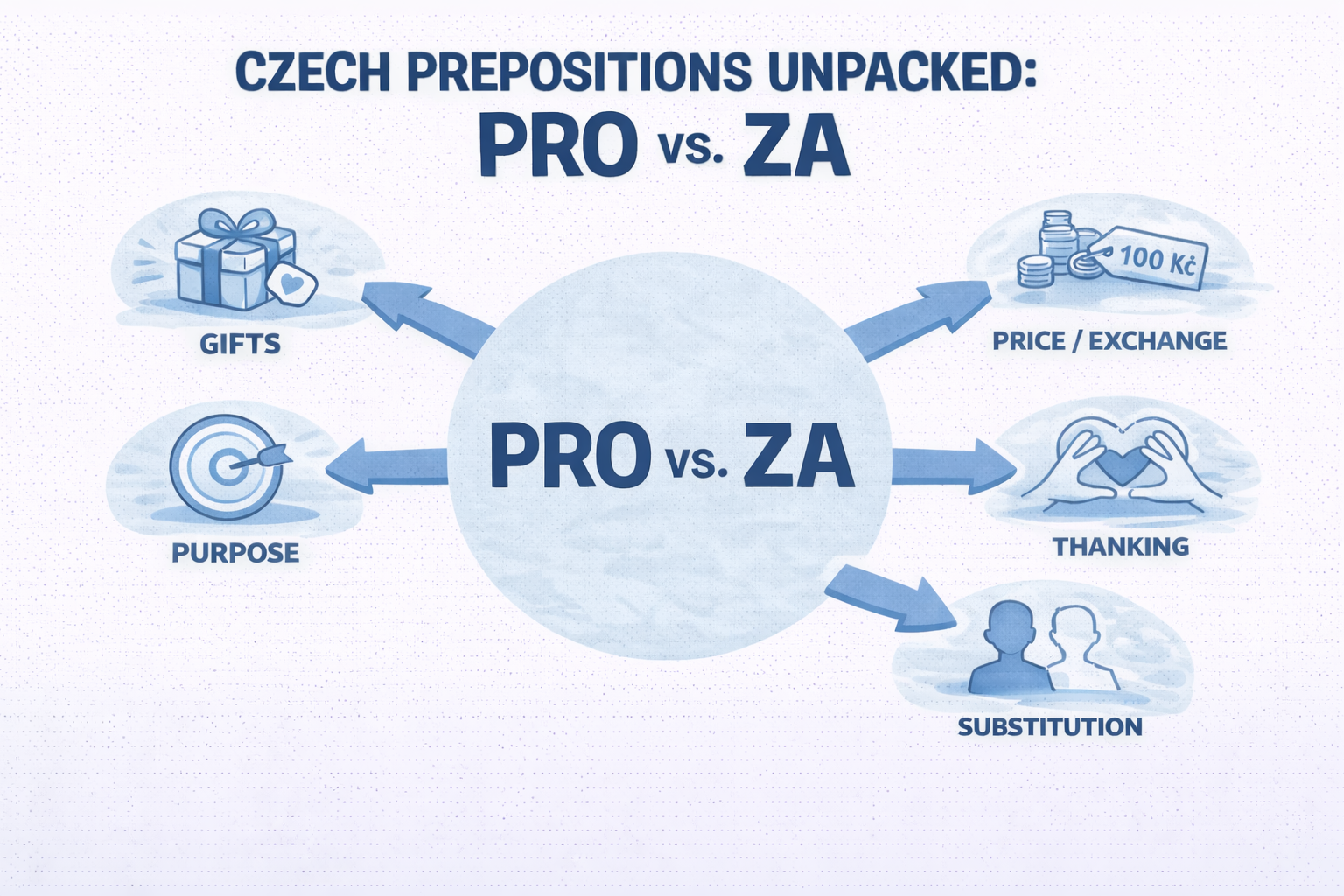
Czech Prepositions Unpacked: PRO vs. ZA
Two tiny Czech prepositions, one massive problem. Both pro and za translate as “for” in English but use the wrong one, and suddenly your innocent sentence sounds very weird. This guide breaks it down with clear rules, real-life examples, and just enough humor to make sure you never say děkuji pro pomoc again.
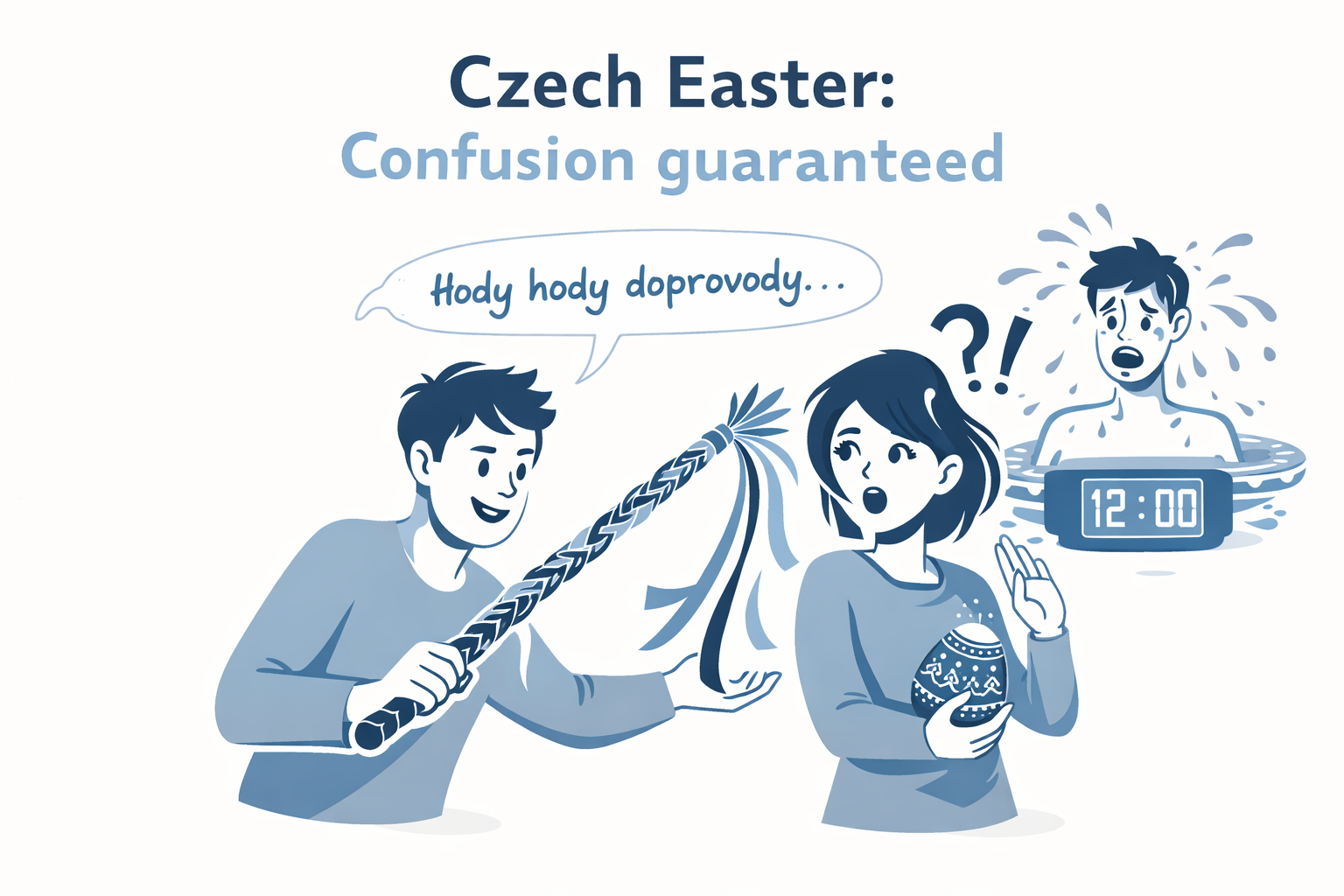
The Most Confusing Czech Easter Tradition: Why Are People Hitting Women With Sticks?
A funny guide to Czech Easter traditions that will leave you slightly confused: pomlázka, decorated eggs, water revenge and the Czech phrases you actually need to survive it.
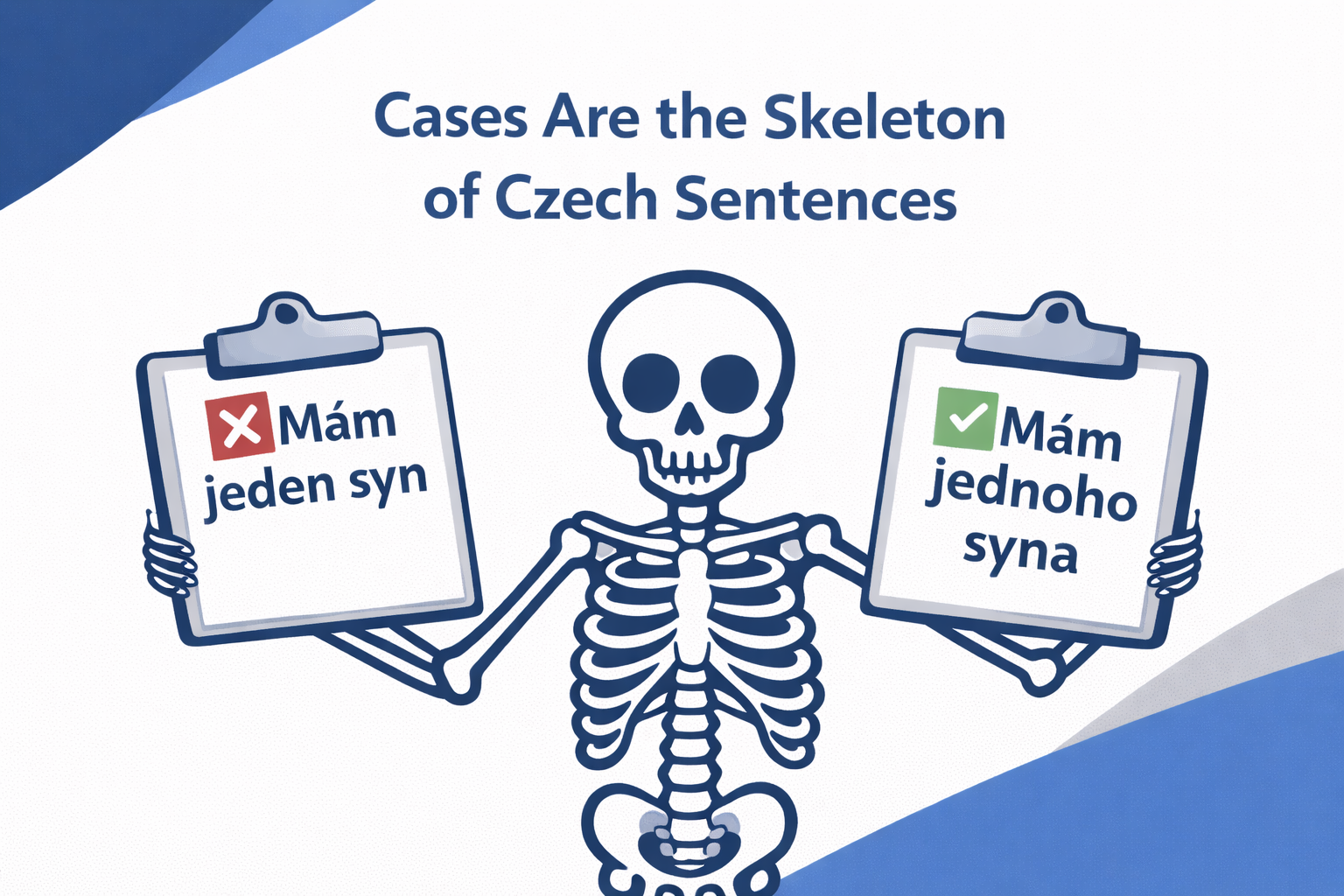
Czech Cases: The Thing You Tried to Ignore (But They Didn’t Ignore You)
Czech cases aren’t optional and ignoring them breaks your sentences. Learn why endings matter and how one small change can completely transform your Czech.
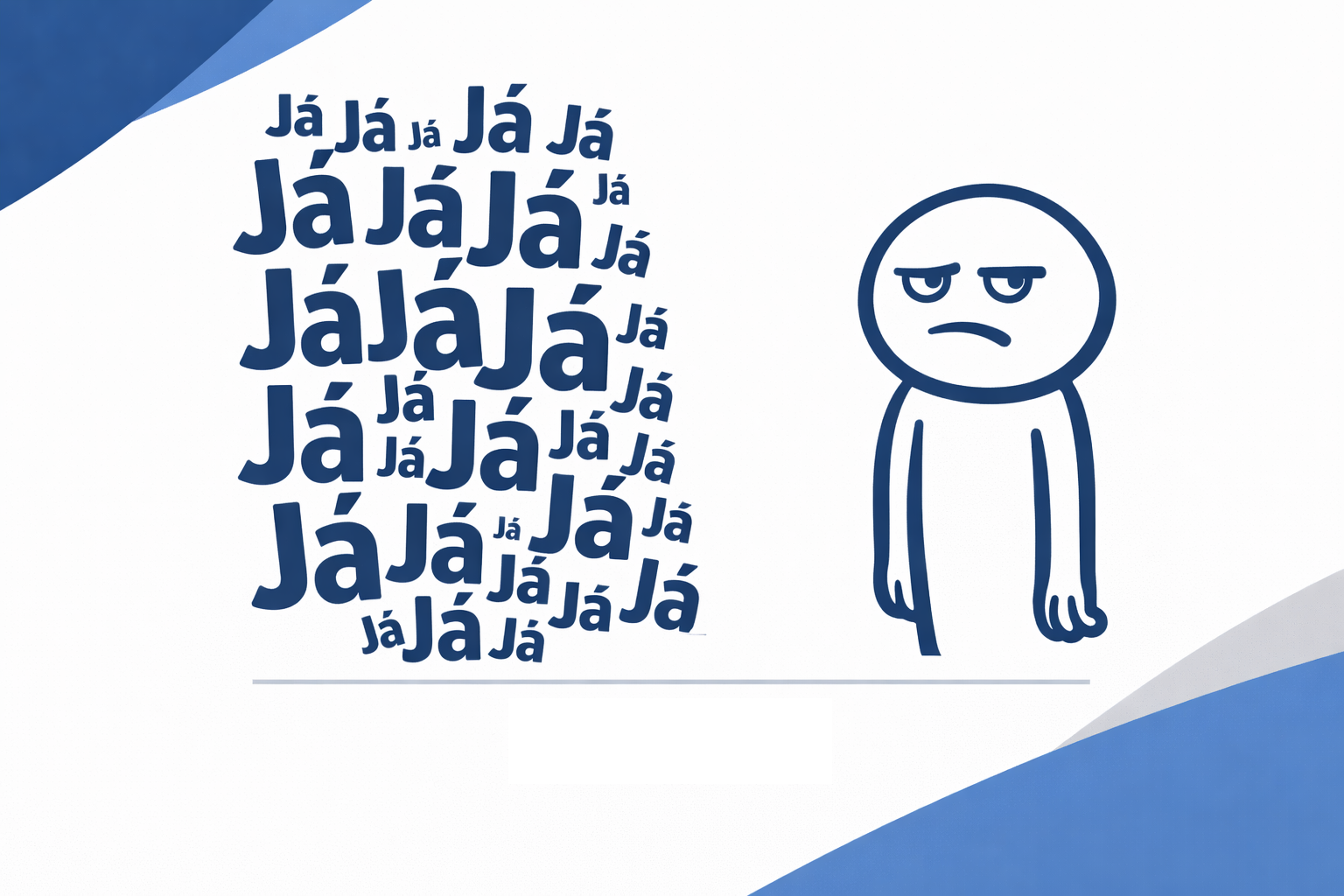
Stop Saying “Já” All the Time: Why Czech Isn’t About You
Why saying já in every Czech sentence makes you sound unnatural and how dropping pronouns instantly makes your Czech smoother, cleaner, and more native-like.
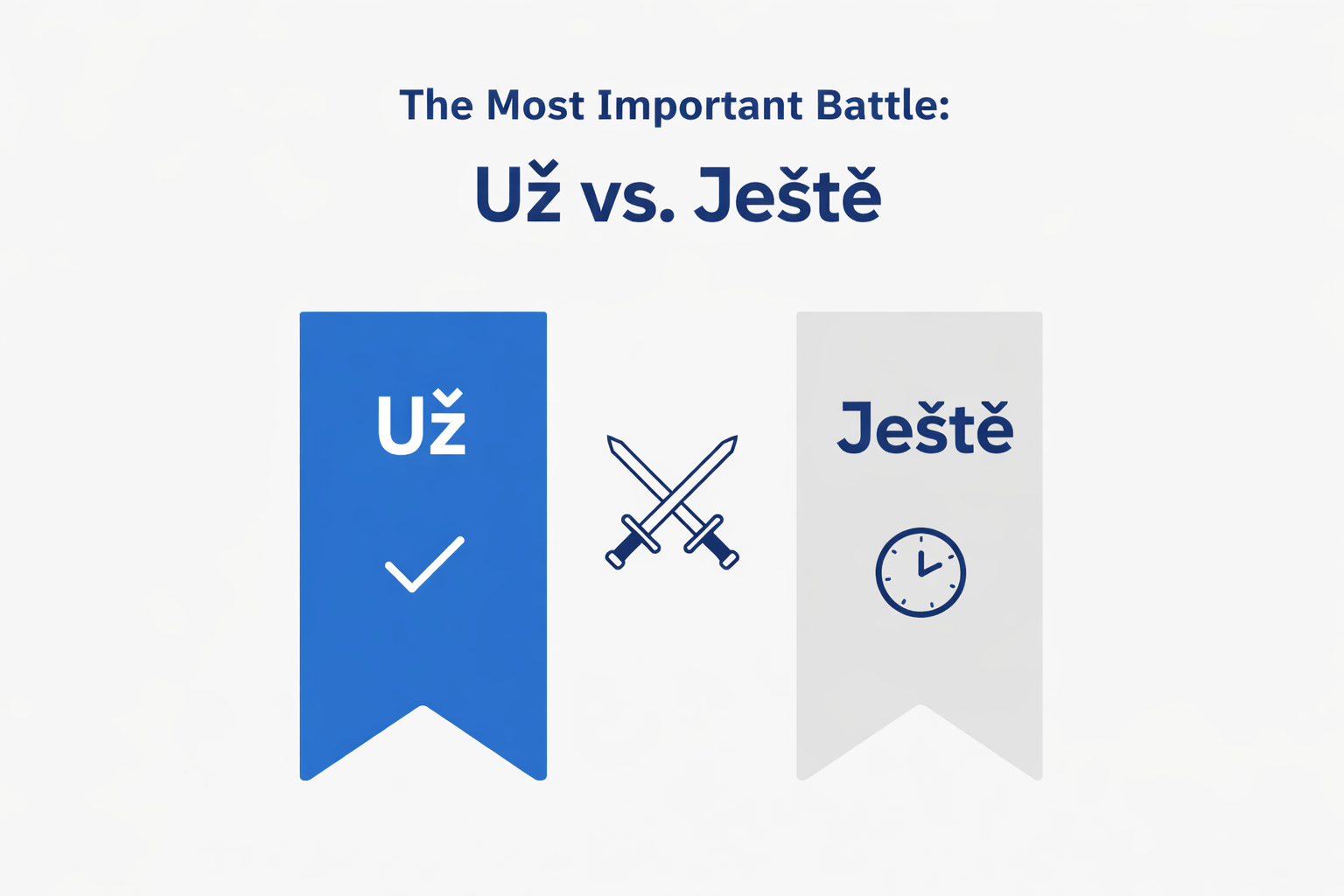
Už vs. Ještě: The Tiny Czech Words That Control Time (and Your Sanity)
A tiny pair of words, a huge difference in meaning. Learn how už and ještě shape time in Czech, why one means “already” and the other “still/not yet,” and how to stop accidentally saying the opposite of what you mean.
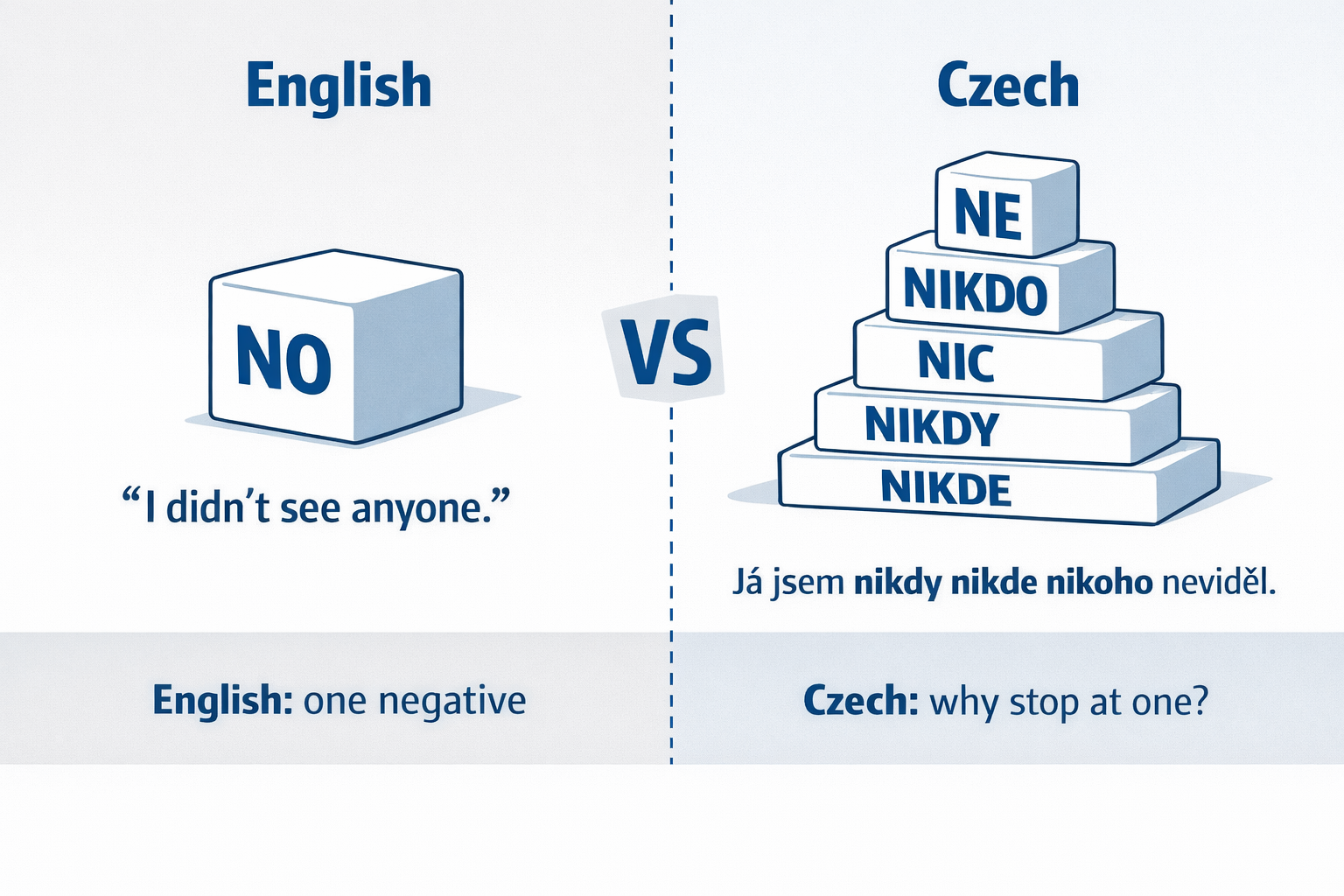
Czech Negation: Why One “No” Is Never Enough
Czech negation breaks one of the biggest rules of English grammar. While English allows only one negative in a sentence, Czech happily stacks them together. In this guide, you’ll learn how Czech negation works, why learners often get it wrong, and how sentences like Já jsem nikdy nikde nikoho neviděl can be perfectly correct.
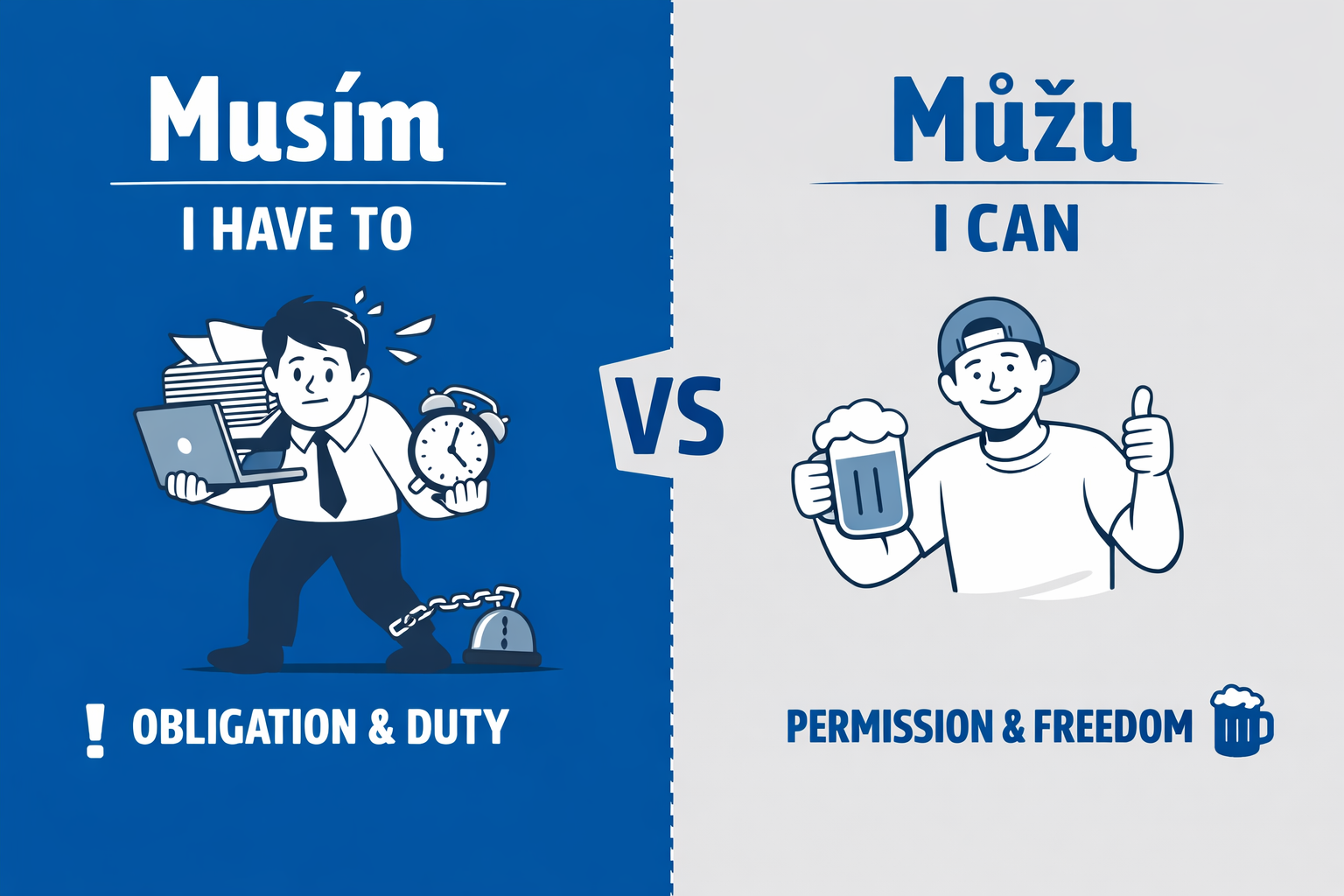
Musím vs. Můžu: The Tiny Czech Difference That Can Accidentally Turn You Into a Very Obedient Person
Many Czech learners mix up musím and můžu and accidentally turn simple choices into strict obligations. Learn the real difference between “I have to” and “I can,” why English speakers confuse these verbs, and how to remember it forever with simple, real-life examples.
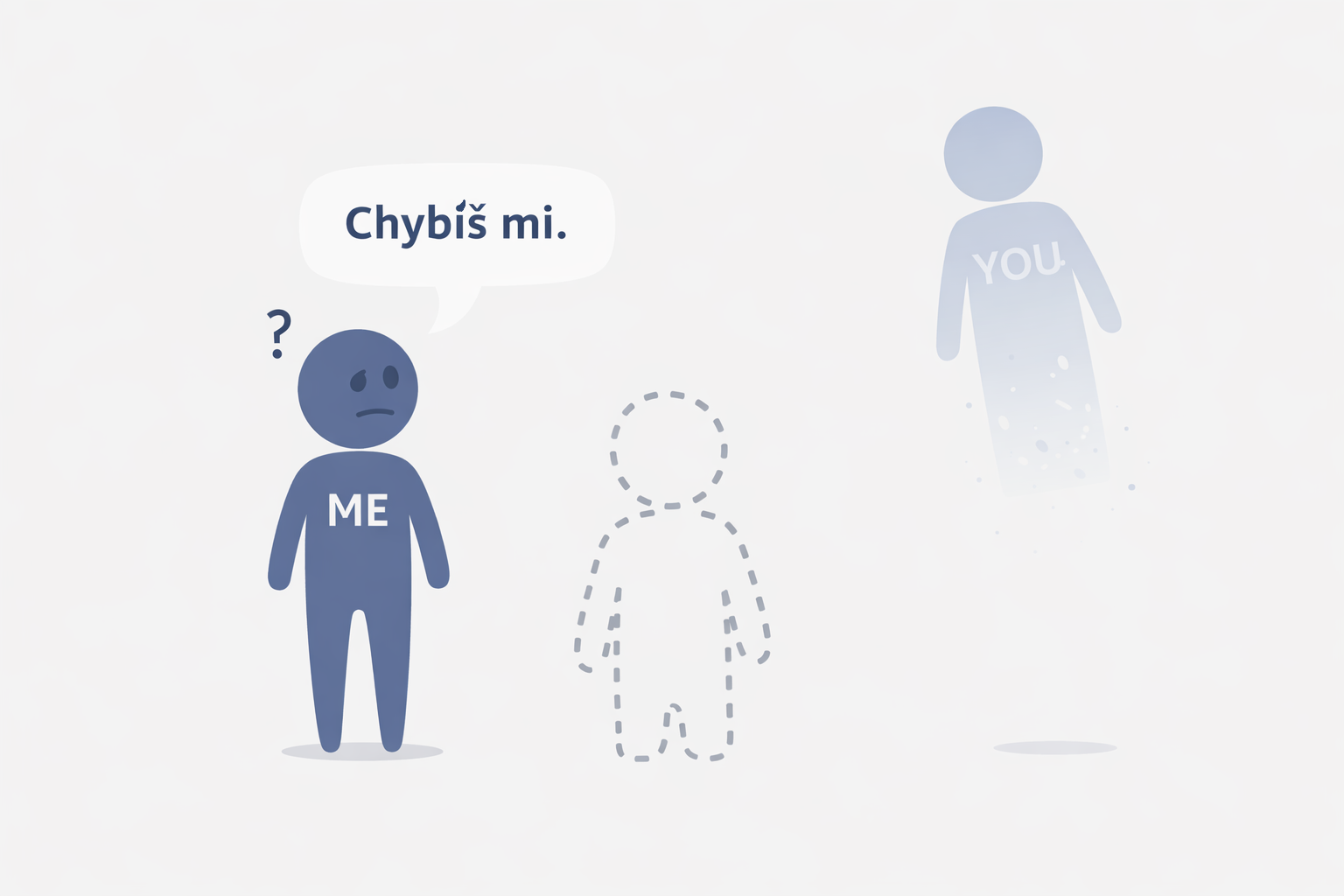
Why Czech Says Chybíš mi Instead of “I Miss You”
Why does Czech say Chybíš mi instead of “I miss you”? Because in Czech, you don’t miss people — people are missing to you. In this guide, you’ll discover the surprising grammar behind this expression, learn how the verb chybět works, and see plenty of real-life examples that reveal how Czech flips the logic of emotions.
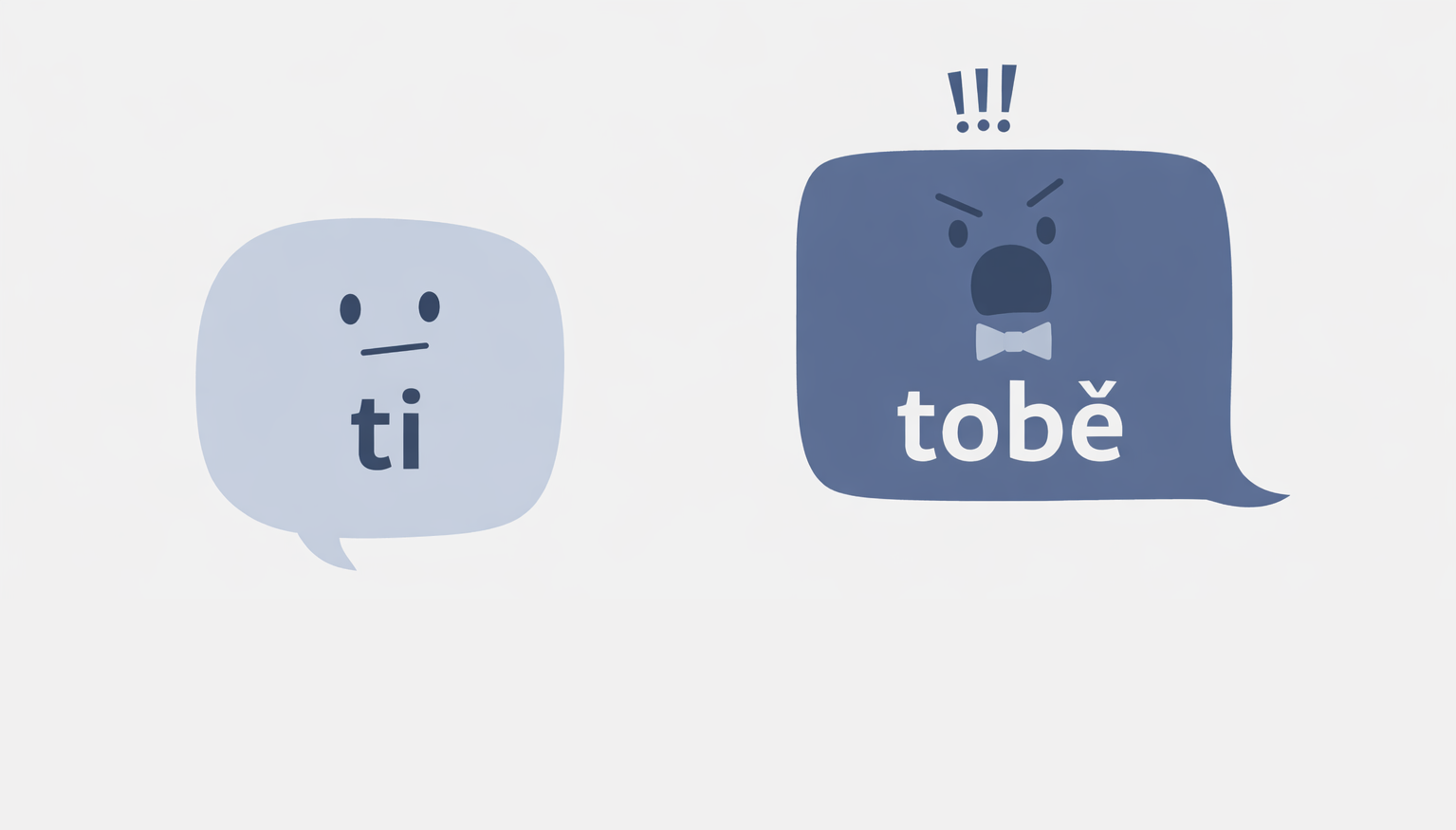
Ti or Tobě? The Czech Pronoun Drama You Didn’t Know You Signed Up For
In Czech, even “you” has multiple personalities. Sometimes it’s ti. Sometimes it’s tobě. And if you pick the wrong one, you won’t sound wrong exactly… just slightly off. In this guide, we’ll untangle the mystery of short vs. long pronoun forms (like mi vs. mně, ti vs. tobě) so you finally understand not just what to use but why.
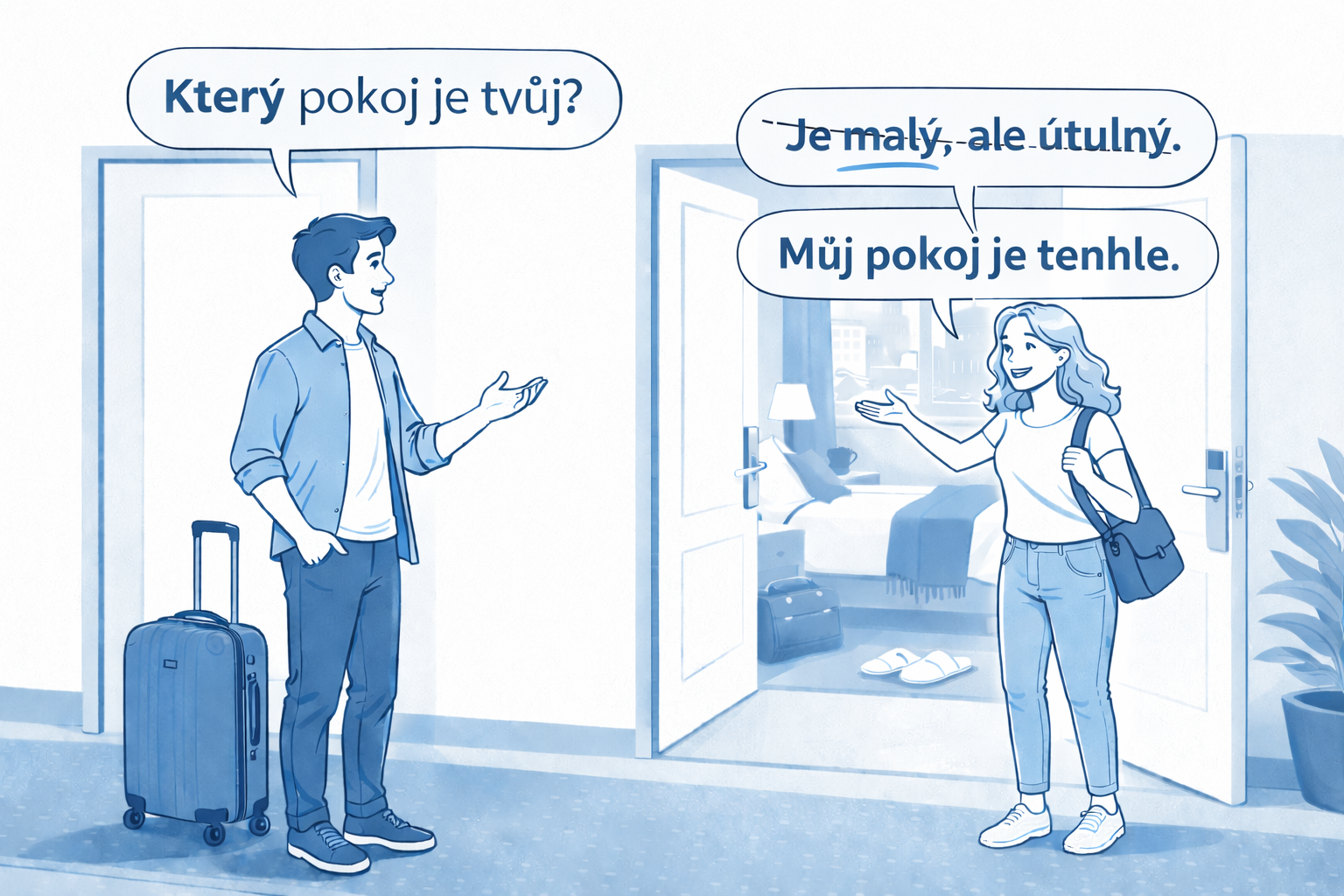
Který vs. Jaký: The Czech “Which?” Trap (And How to Stop Falling Into It)
What’s the difference between jaký and který in Czech? If you’ve ever answered a “which one?” question with a description instead of a choice, you’re not alone. This guide clearly explains when to use jaký (what kind) and when to use který (which one), with practical examples and common learner mistakes.
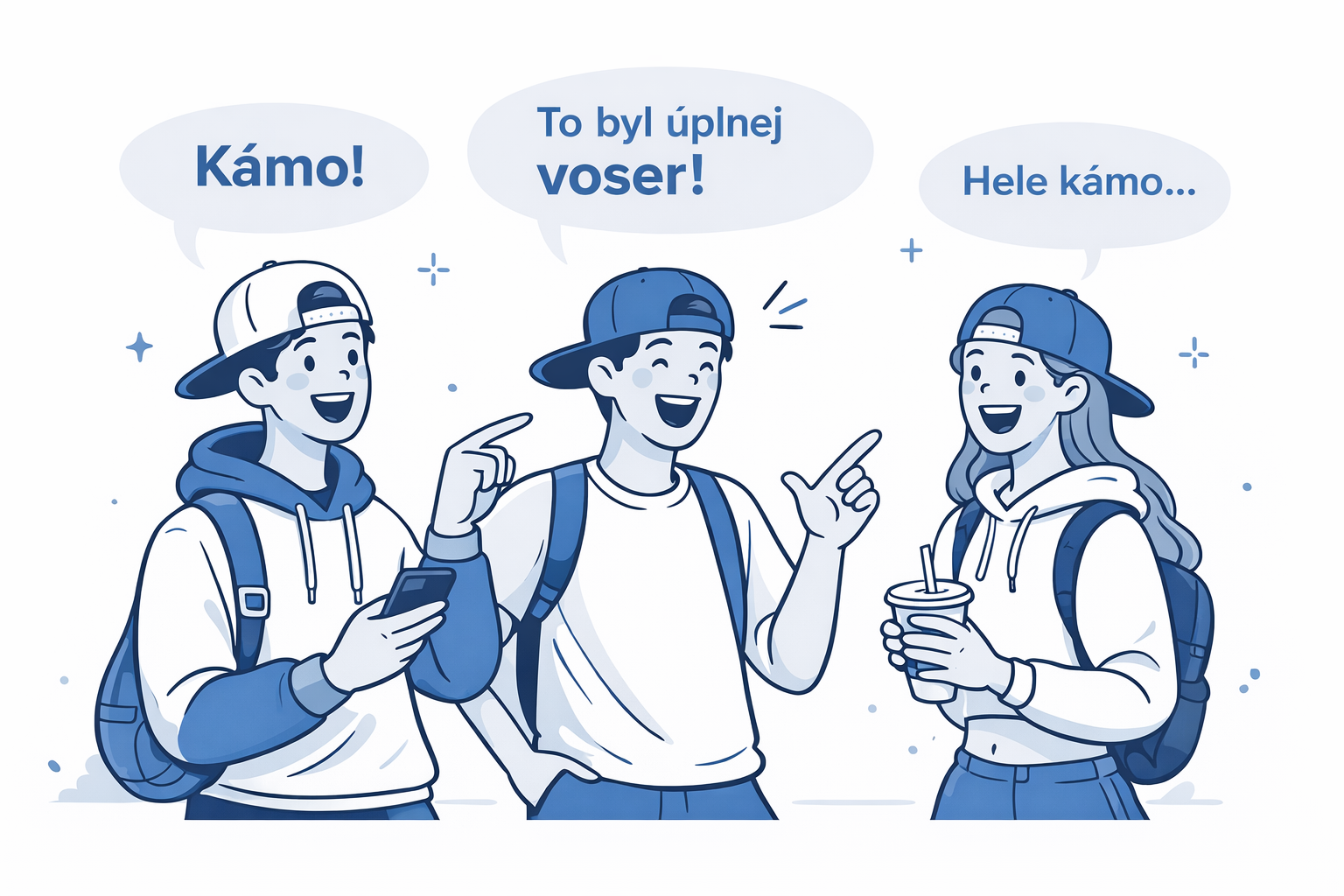
KÁMO: The Czech Word That Took Over the Streets (and the Internet)
Kámo is one of the most common words you’ll hear in modern Czech conversations. It means “friend,” but it works more like “dude” or “bro” a casual, emotional, all-purpose way to address someone. In this article, you’ll learn what kámo really means, how Czechs use it in real life, and when you absolutely shouldn’t say it.
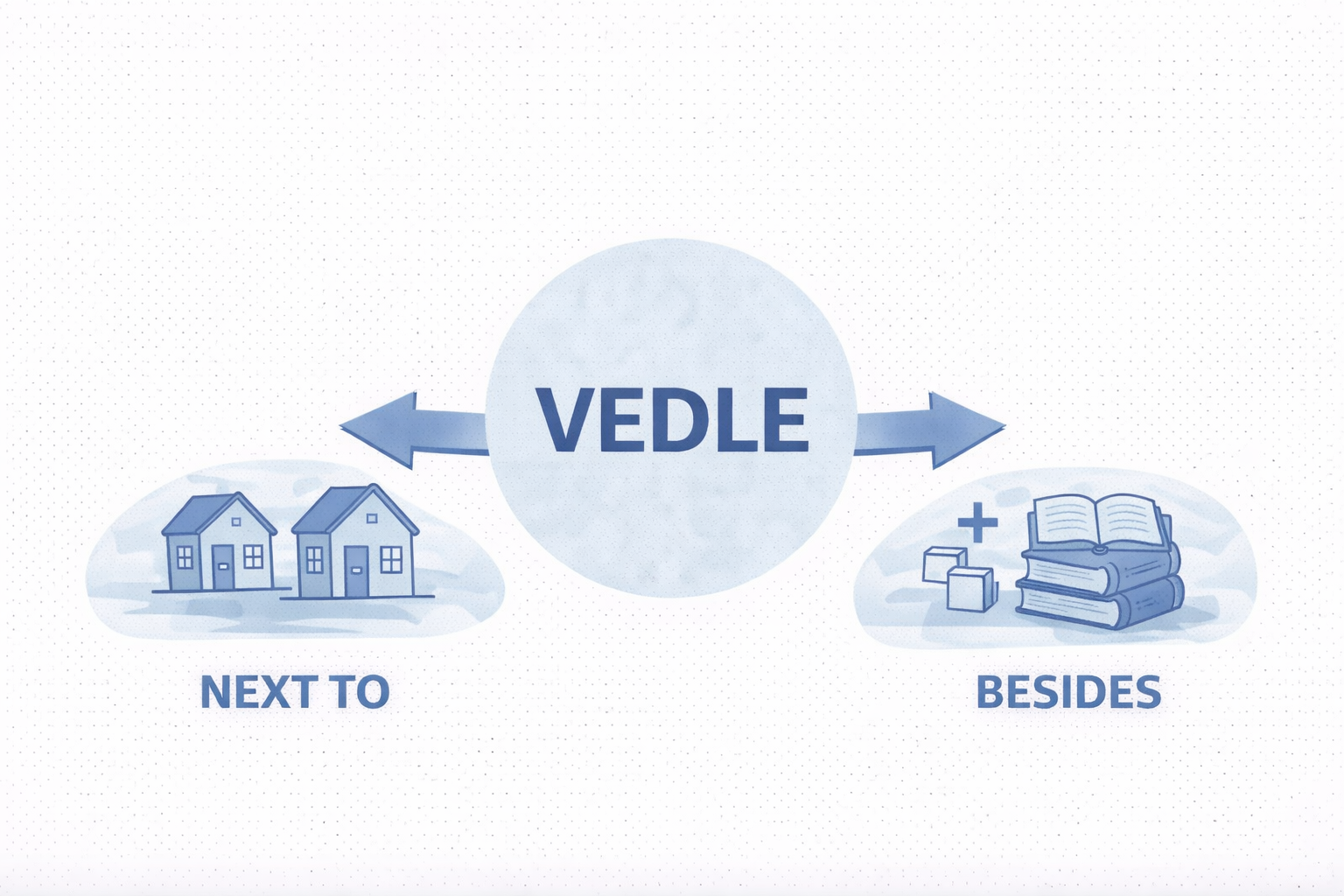
Czech Prepositions Unpacked: VEDLE
The Czech preposition vedle expresses being directly next to something and is used for precise physical proximity. This article explains how vedle works with the genitive case, how it differs from u, and how it can also mean “besides” in more abstract contexts.
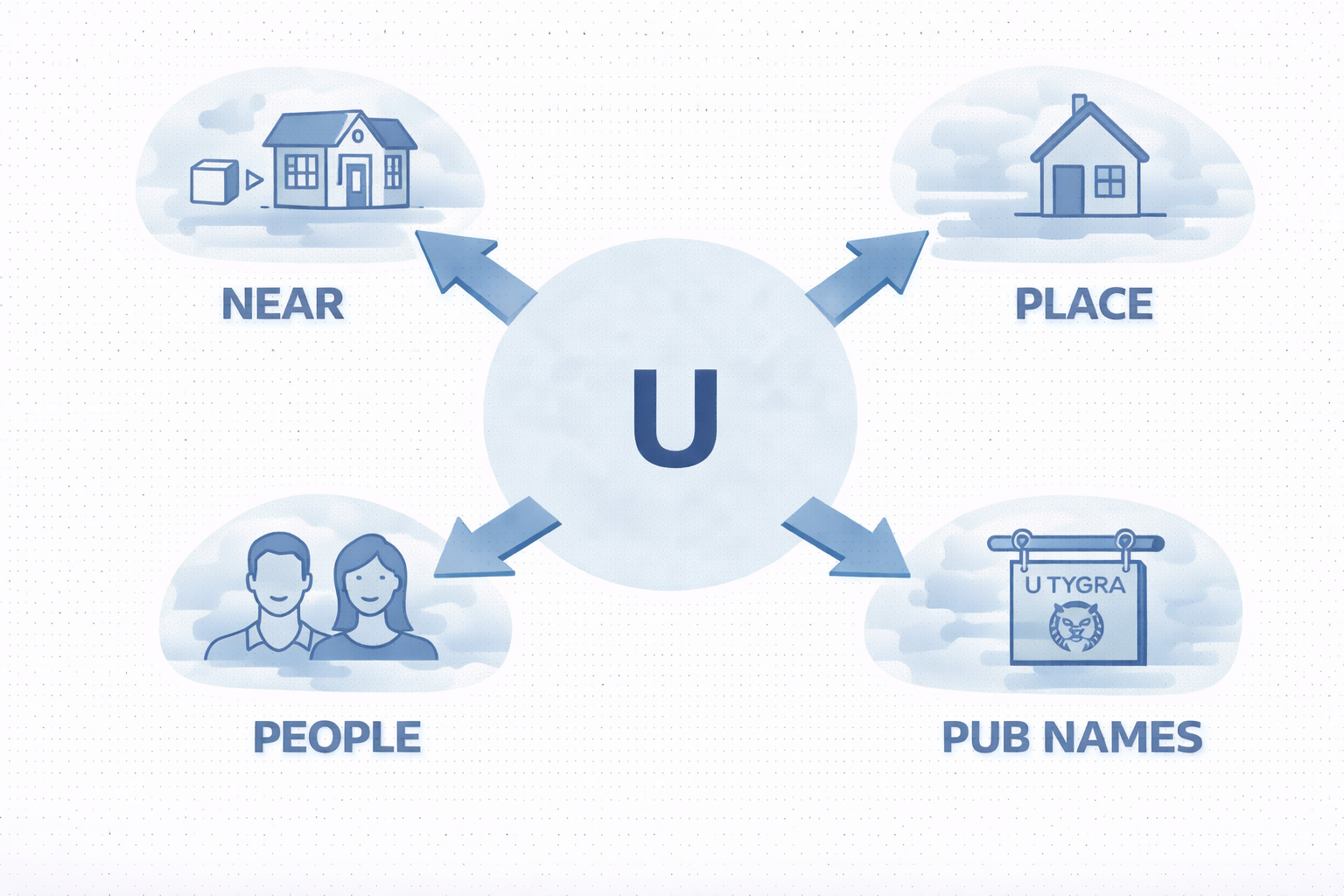
Czech Prepositions Unpacked: U
The Czech preposition u expresses proximity being near a place or at someone’s place, without being inside. This article explains how u works with the genitive case, how it differs from v and k, and how to use it correctly with places and people.
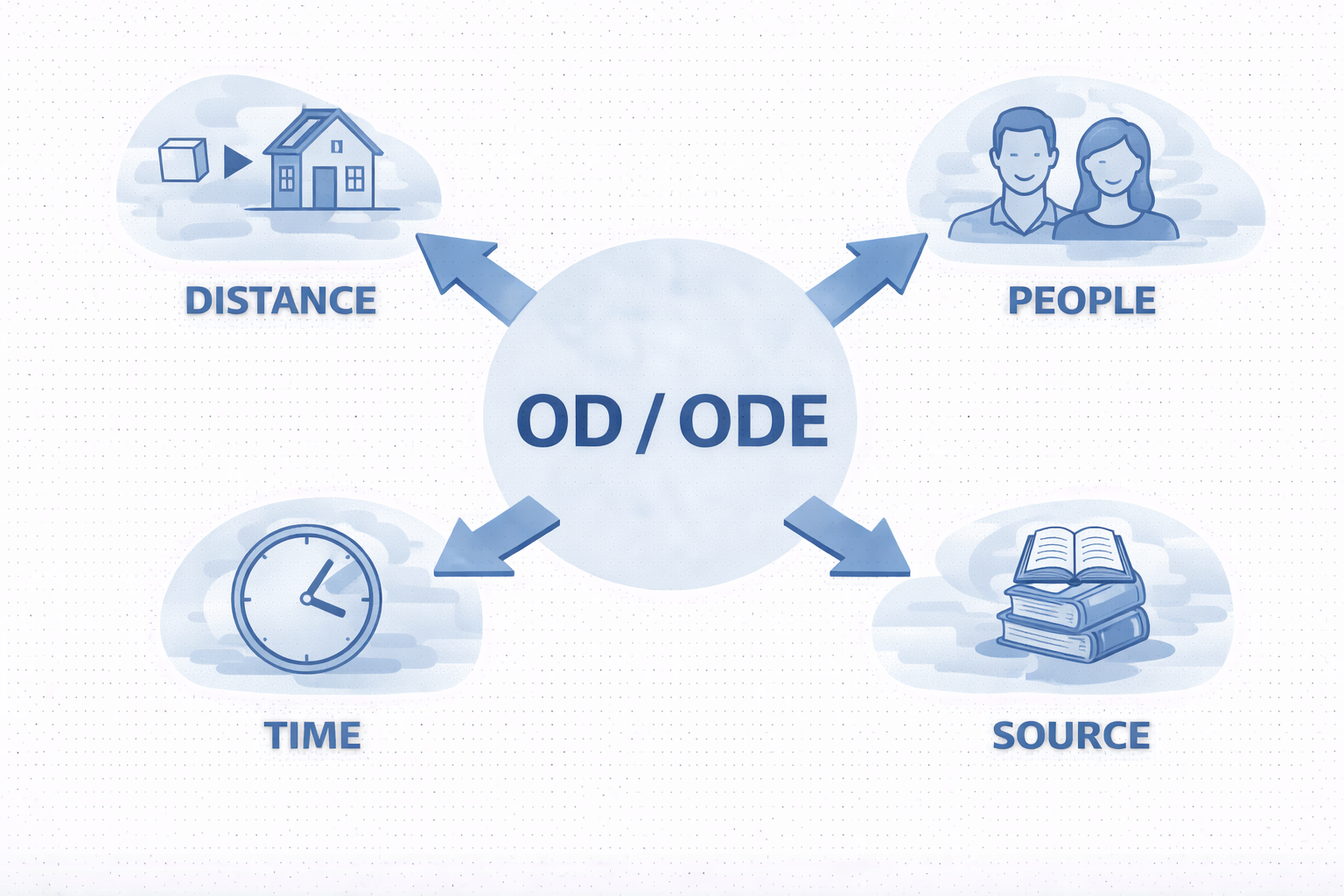
Czech Prepositions Unpacked: OD / ODE
The Czech preposition od / ode expresses starting points, distance, and origin especially when referring to people or time. This article explains how od differs from z, when to use ode for pronunciation, and how to use the genitive correctly with clear examples.

Czech Prepositions Unpacked: V / VE
The Czech preposition v / ve expresses being inside a place or within a defined space without movement. This article explains how v works with the locative case, when to use ve for pronunciation, and how to clearly distinguish v from do and na.
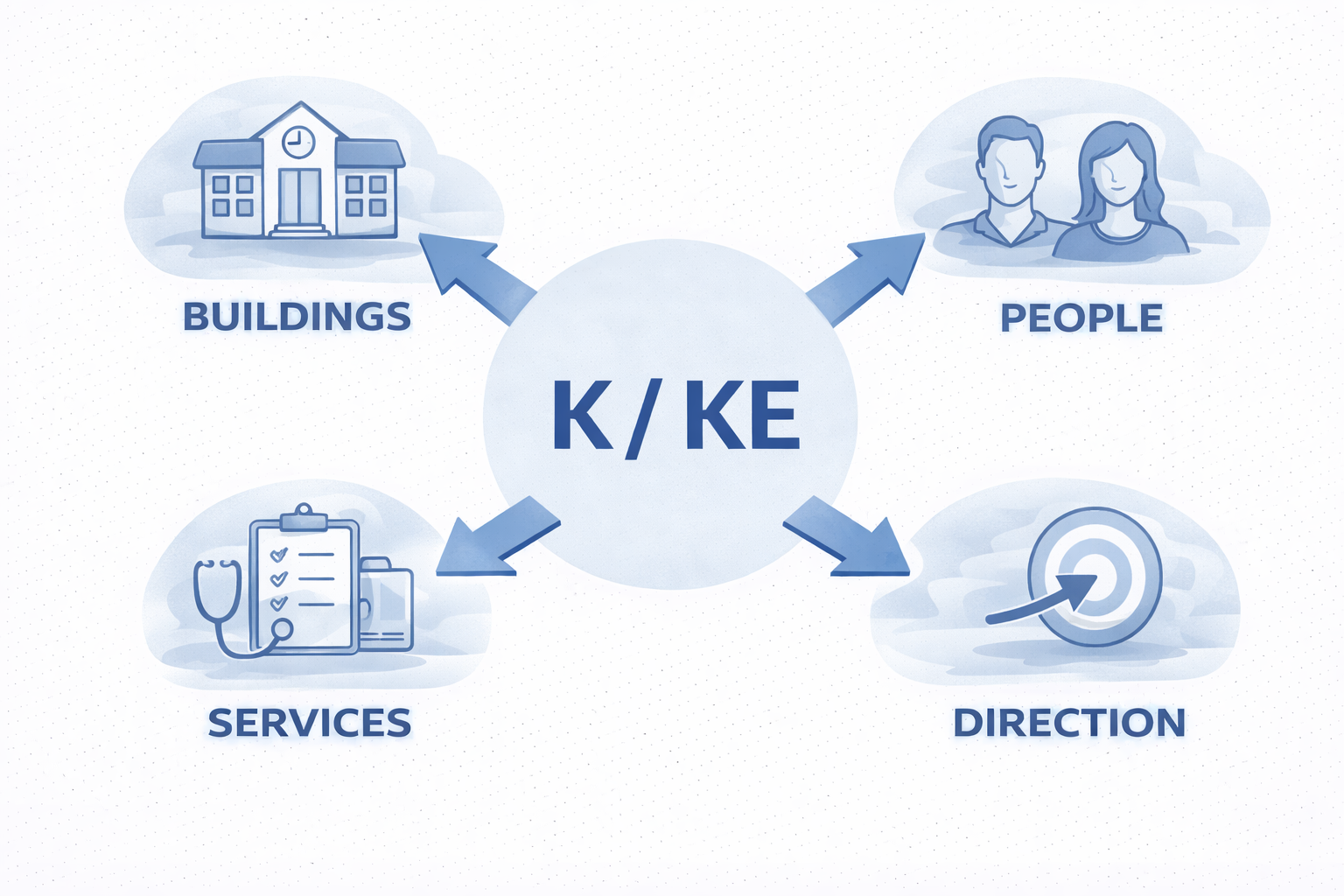
Czech Prepositions Unpacked: K / KE
The Czech preposition k / ke expresses movement towards a place or person without entering. This article explains how k works with the dative case, when to use ke for pronunciation, and how to avoid common mistakes when choosing between k, do, and na.
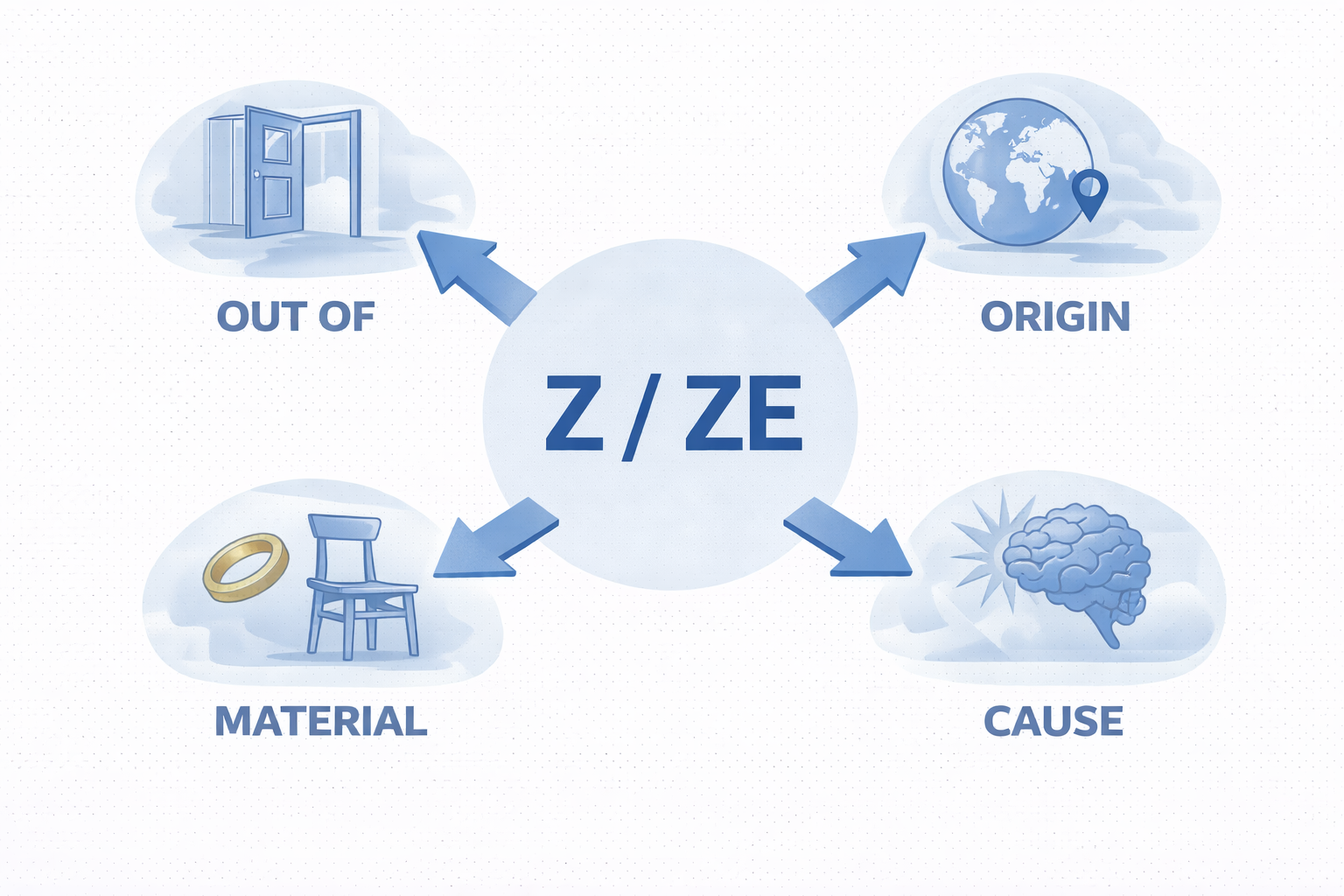
Czech Prepositions Unpacked: Z / ZE
The Czech preposition z / ze expresses origin, source, and movement out of a place. This article explains when to use z, when pronunciation requires ze, how both work with the genitive case, and how to avoid common learner mistakes with clear rules and practical examples.
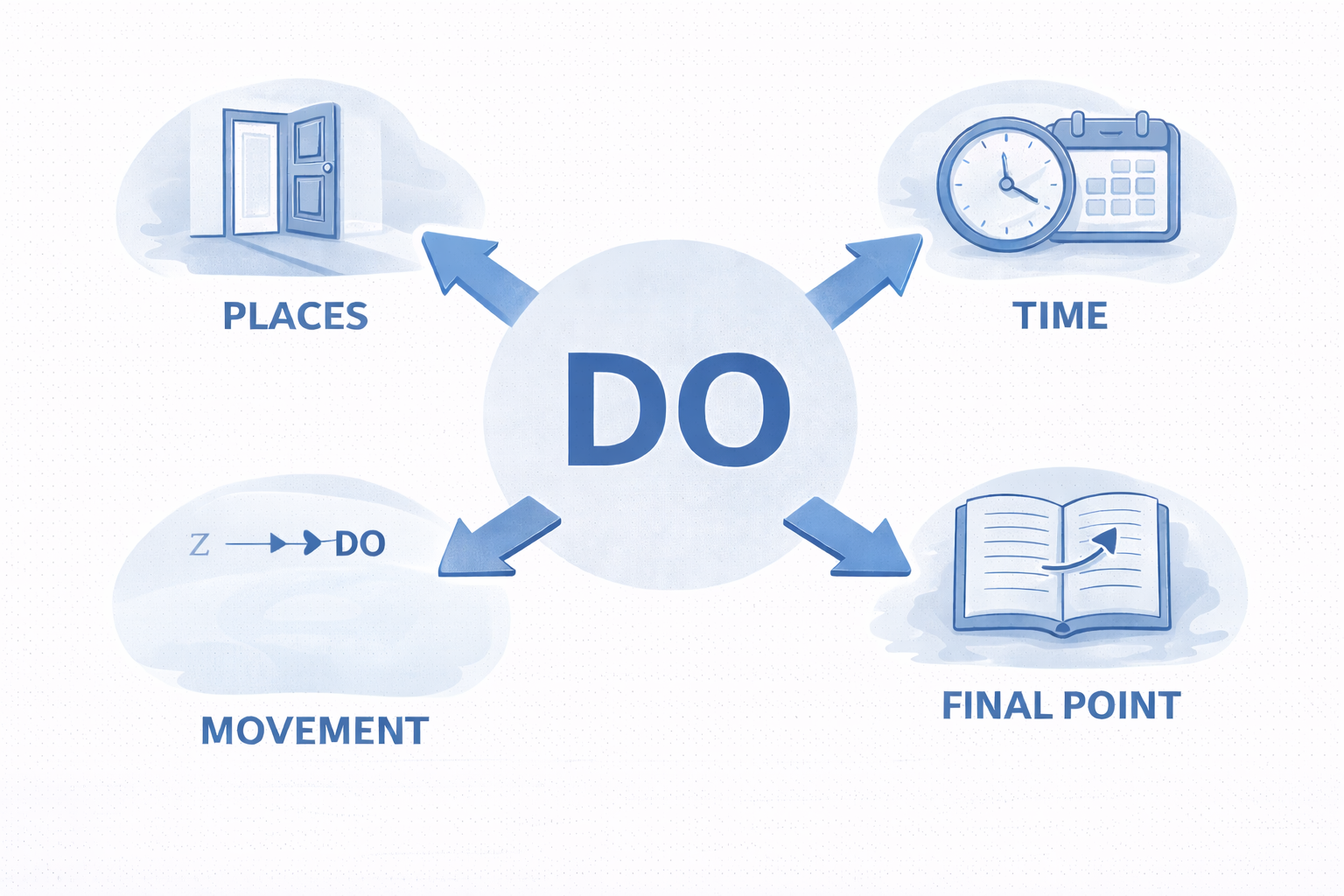
Czech Prepositions Unpacked: DO
The Czech preposition do is all about movement inside and clear endpoints. This article explains how do works with the genitive, when to use it for places and time, and how to avoid the most common mistakes with na with clear rules and practical examples.
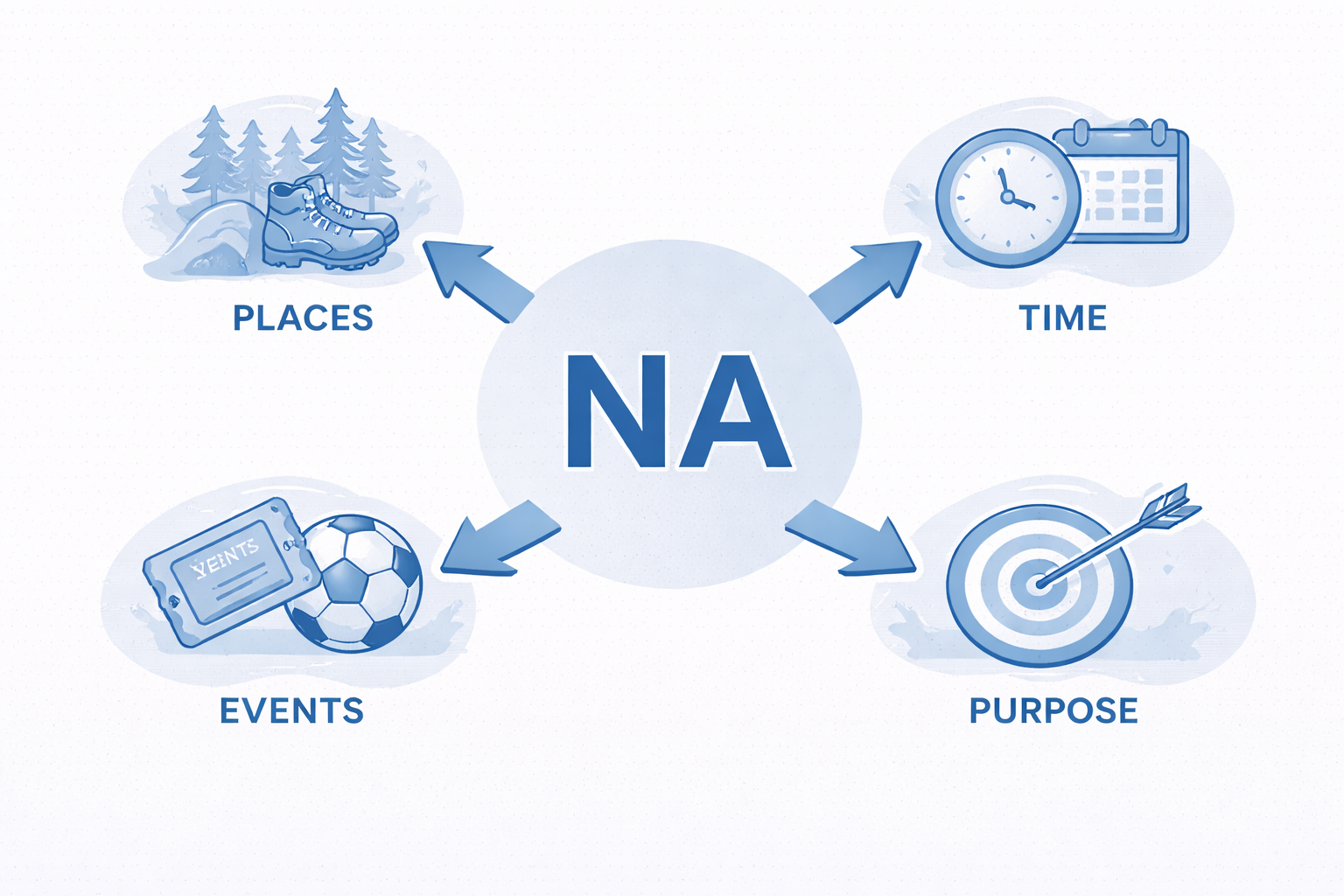
Czech Prepositions Unpacked: NA
The Czech preposition na goes far beyond meaning “on.” This article explains when and why Czech uses na, how it works with cases, and how to recognize patterns behind places, movement, time, purpose, and abstract meanings with clear examples and English translations.
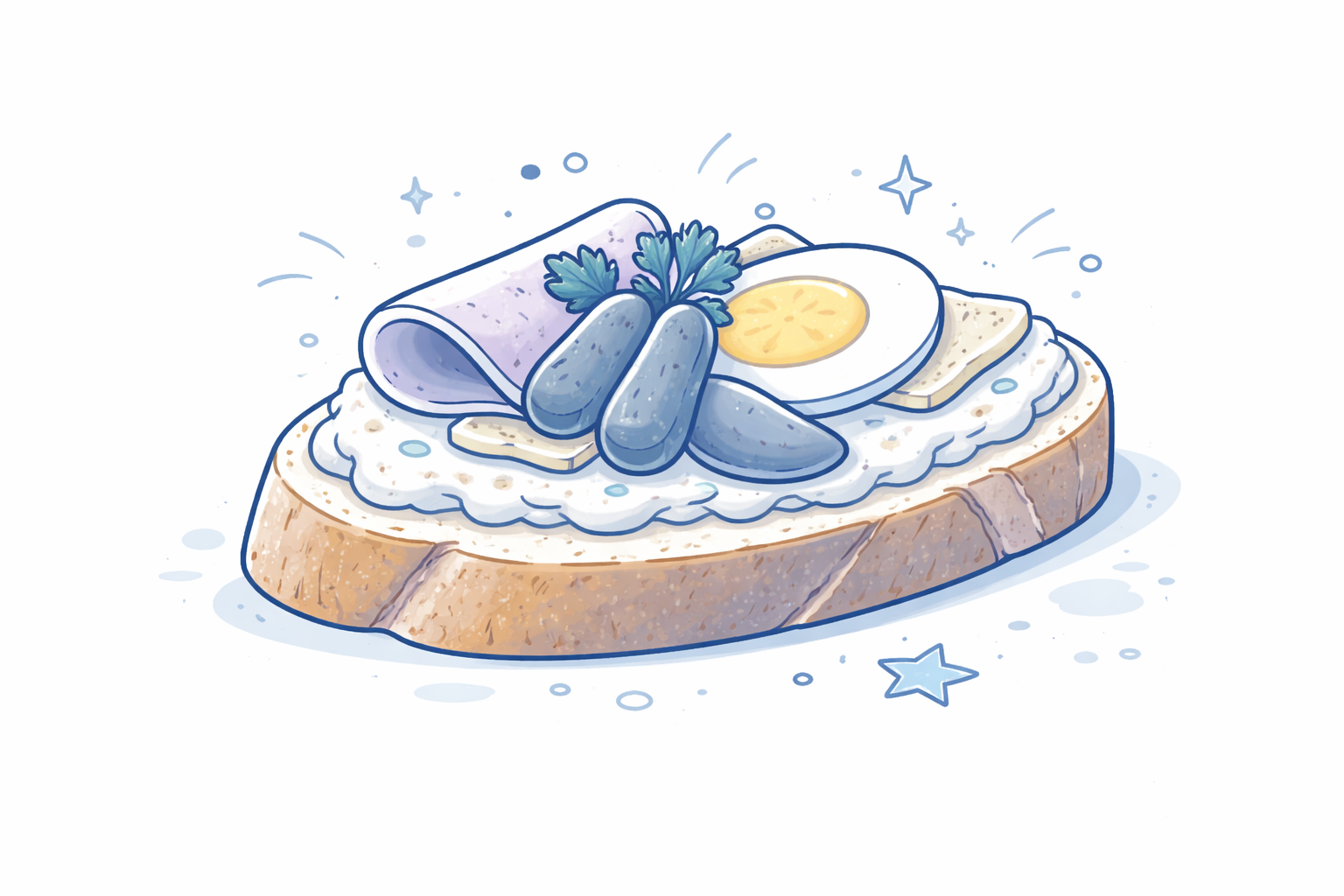
Chlebíčky: The Czech Party “Sandwich” That’s Basically a Law on New Year’s Eve
Chlebíčky are the Czech open-faced sandwiches that appear at every party and especially on Silvestr. Learn what they are, when Czechs eat them, how to order them, what vocabulary you need, and how to make them at home